From glacial alpine jewels to volcanic crater lakes — discover the 10 most breathtaking lakes on Earth, ranked by natural beauty, water clarity, and surrounding scenery.
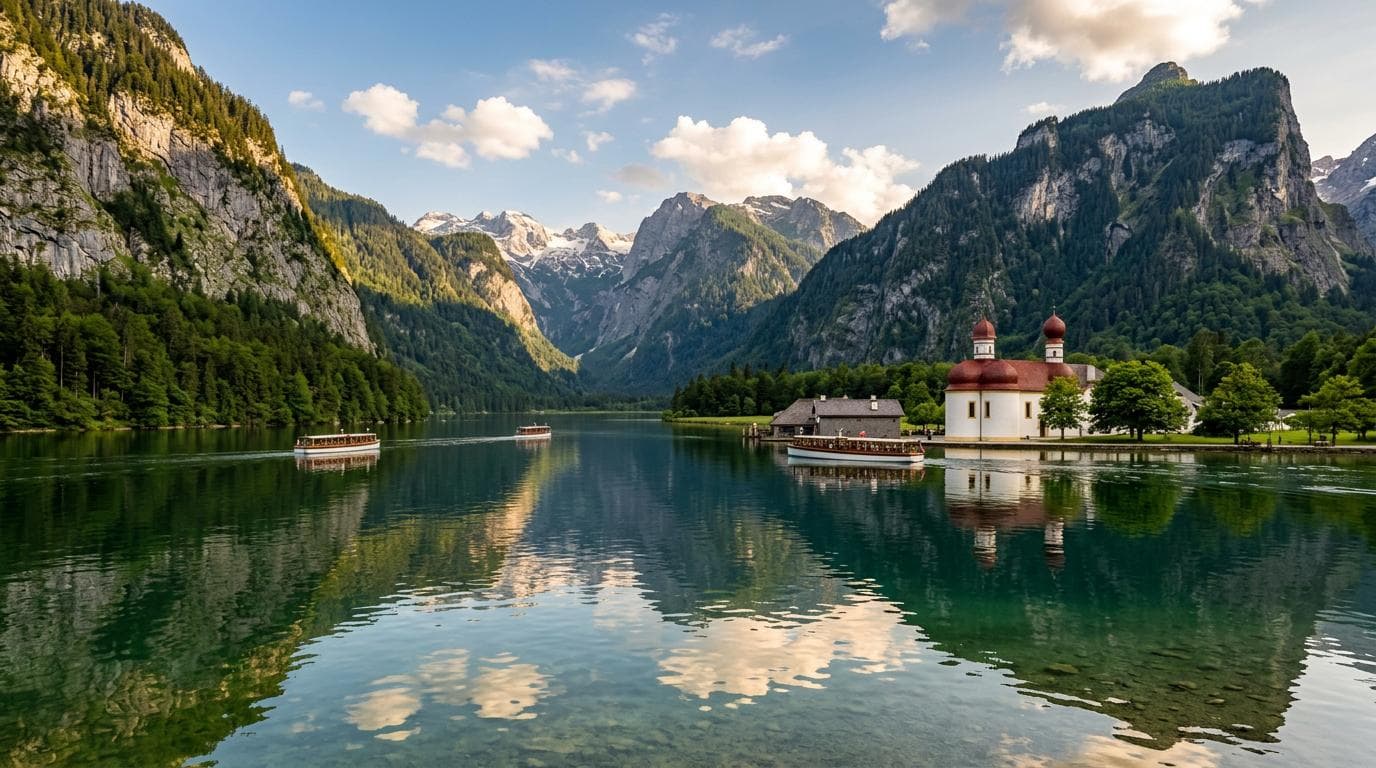
"Germany's purest alpine masterpiece"
Nestled between sheer alpine cliffs in the Berchtesgaden National Park, Königssee is Germany's purest and most dramatic lake. Its emerald-green waters are so clean you can drink from them, and the fjord-like setting rivals anything in Scandinavia. The famous echo wall at the Echowand cliff face, where boat captains demonstrate the acoustics with a trumpet, has been a tradition since the 1800s. The iconic pilgrimage church of St. Bartholomä sits on a peninsula, accessible only by electric boat — no combustion engines have been allowed since 1909. In winter, the lake occasionally freezes completely, creating a surreal mirror of ice framed by snow-covered peaks.
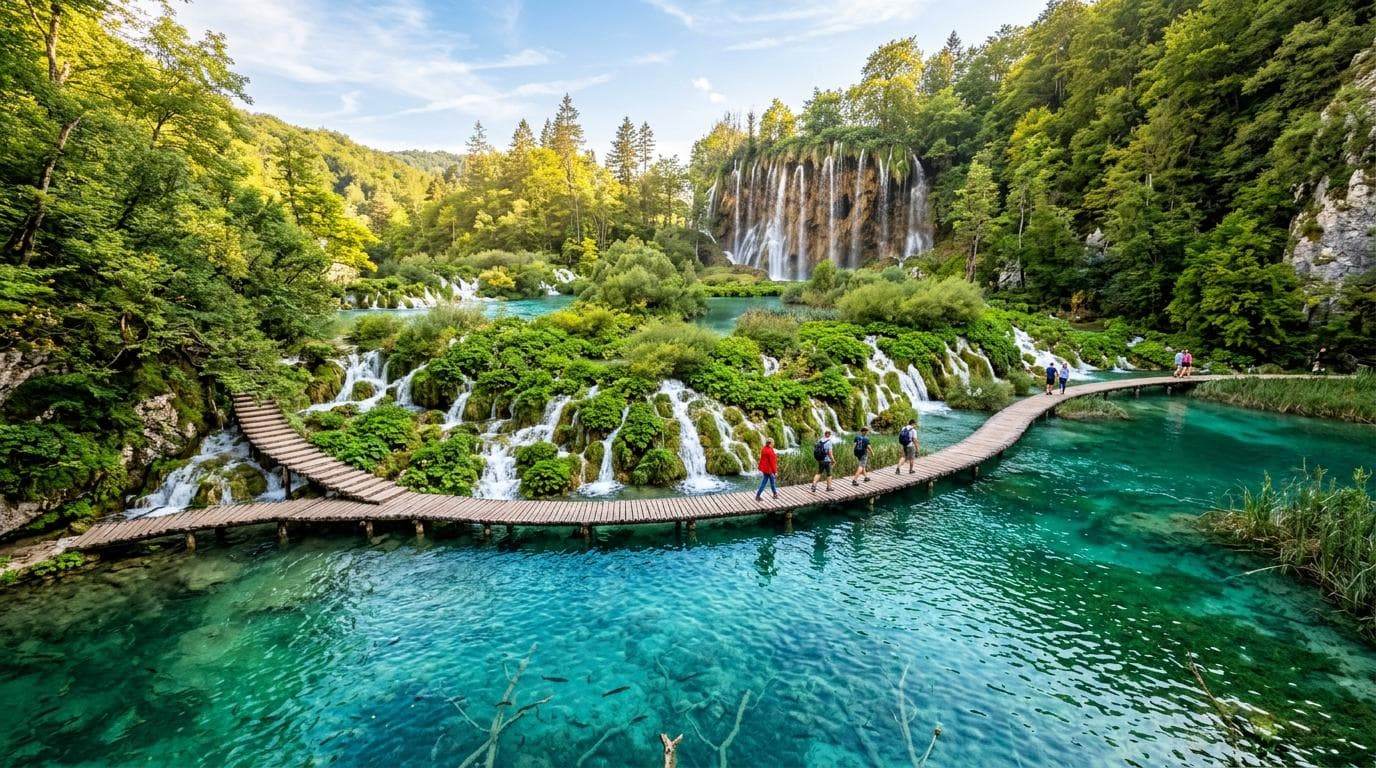
"16 cascading turquoise terraces"
A UNESCO World Heritage Site since 1979, Plitvice Lakes is a cascading system of 16 terraced lakes connected by over 90 waterfalls and surrounded by ancient beech and fir forests. The lakes' colors shift between azure, green, blue, and grey depending on mineral content, organisms, and sunlight angle — no two visits look the same. Wooden boardwalks weave through the landscape, bringing you inches above the crystal-clear water where trout glide beneath your feet. The travertine barriers that create the terraces grow by about 1 cm per year through a delicate bio-chemical process. Bears, wolves, and lynx still roam the surrounding forests, making this one of Europe's most pristine wilderness areas.
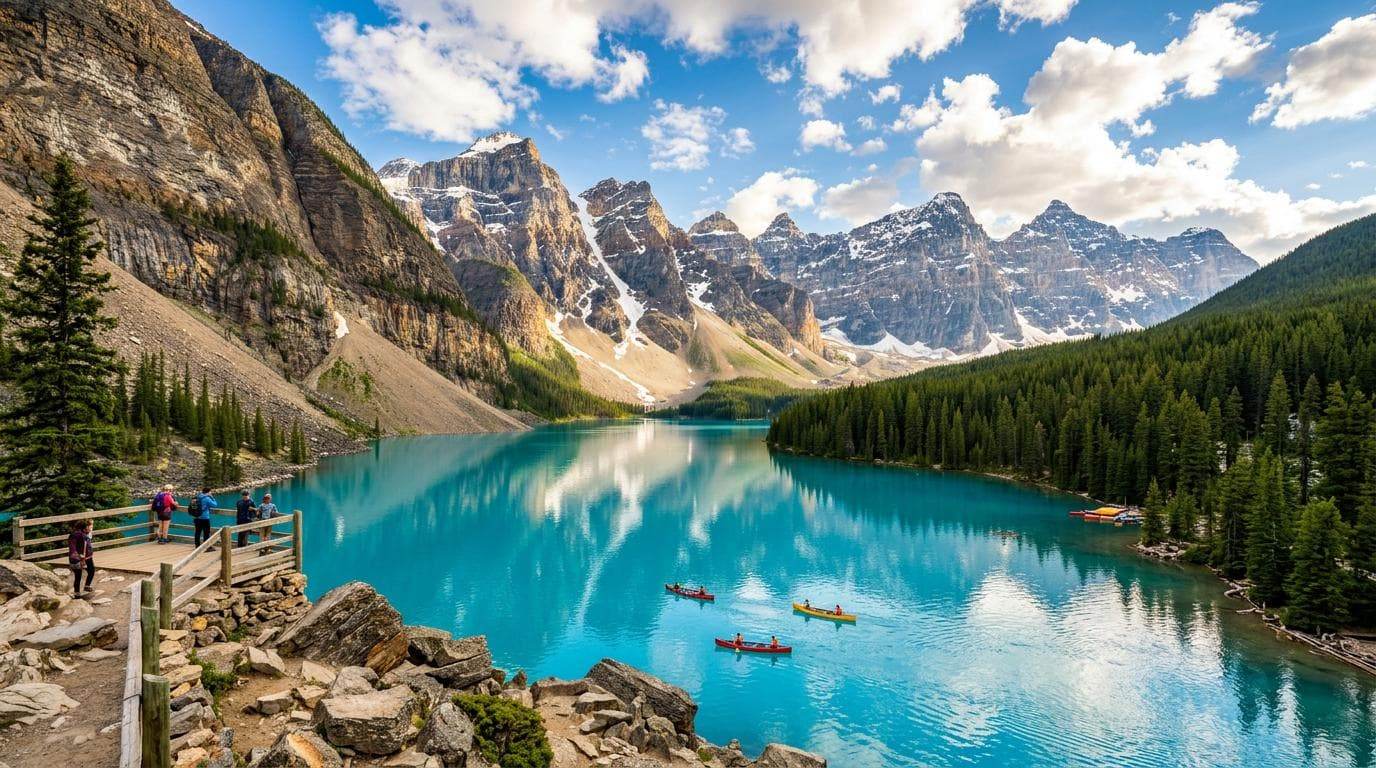
"The Twenty Dollar View"
Fed by glaciers in the Valley of the Ten Peaks, Moraine Lake's impossibly vivid turquoise color is so stunning it once graced the Canadian twenty-dollar bill. The color comes from light refracting off rock flour — fine glacial sediment suspended in the water — and reaches peak intensity in June and July. The Rockpile Trail at the lake's outlet provides the iconic viewpoint that has become one of the most photographed scenes in North America. Due to its extreme popularity, Parks Canada now requires shuttle bus access during peak season. The surrounding peaks exceed 3,000 meters and offer world-class scrambling and mountaineering routes.
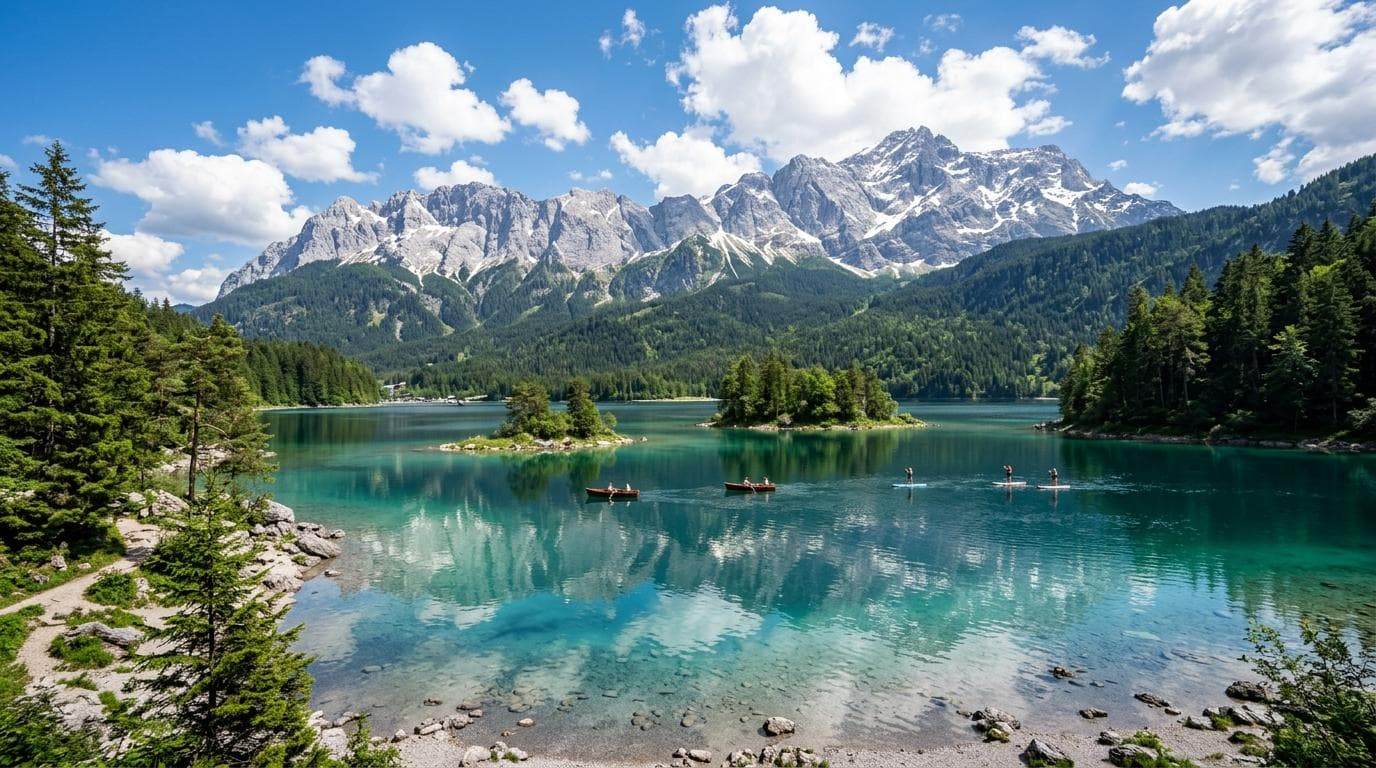
"Caribbean colors beneath the Zugspitze"
Lying at the foot of Germany's highest peak, the Zugspitze, Eibsee is a jewel of crystalline turquoise water that looks more Caribbean than Bavarian. The lake's extraordinary color comes from glacial limestone dissolved in the water, creating shades from deep sapphire to vivid turquoise depending on sunlight and depth. A 7 km circular trail around the lake reveals eight tiny islands, hidden coves, and ever-changing perspectives of the Zugspitze towering above. The lake was formed 3,700 years ago by a massive rockslide from the Zugspitze, which dammed a valley and created this natural masterpiece. Stand-up paddleboarding at dawn, when mist rises from the glassy surface, is an almost spiritual experience.
"Where Alpine drama meets Italian elegance"
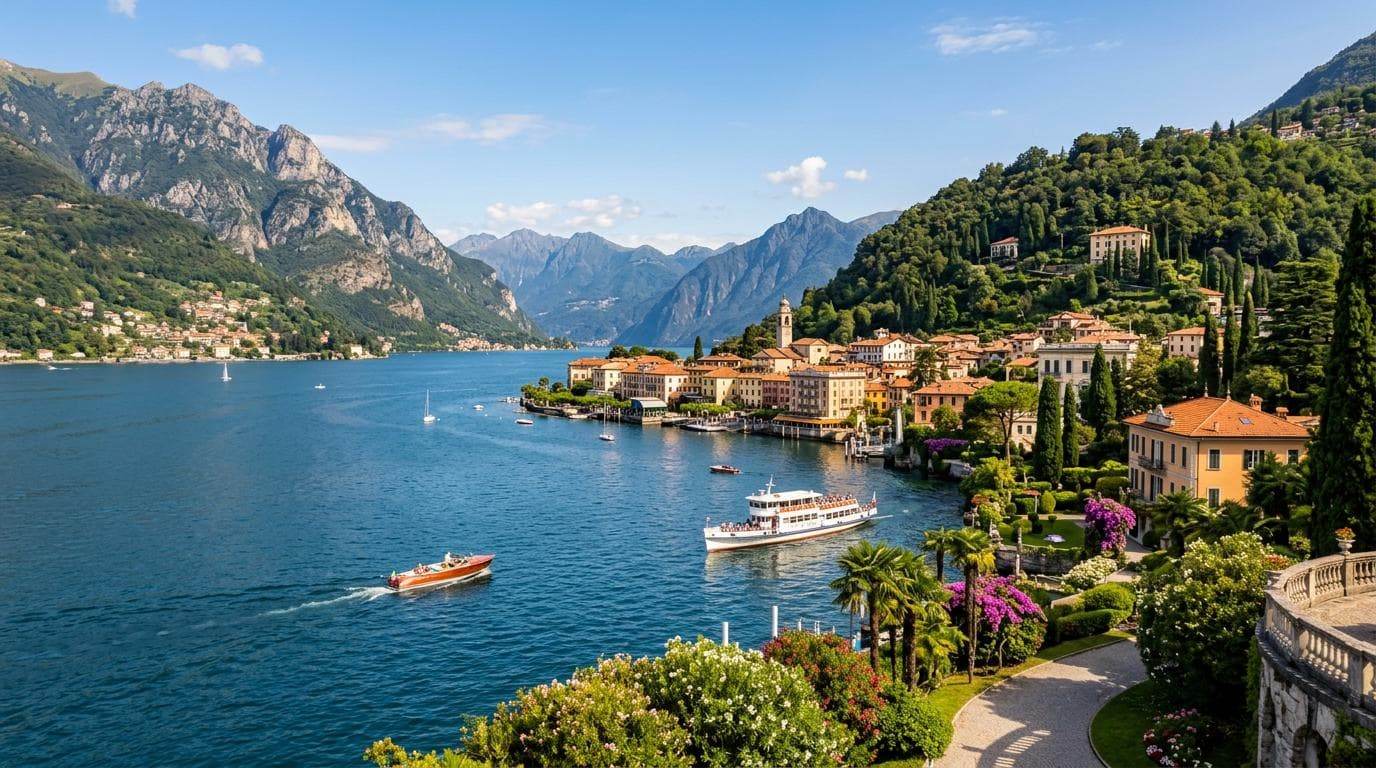
The deepest lake in Italy and the third-largest, Lake Como has captivated aristocrats, artists, and Hollywood stars for centuries with its dramatic combination of alpine peaks plunging into deep blue waters. Elegant Belle Époque villas — including George Clooney's famous Villa Oleandra — line shores dotted with cypress trees, bougainvillea, and lemon groves. The village of Bellagio, perched on the promontory where the lake splits into a Y-shape, is often called the 'Pearl of Lake Como.' The silk industry thrived here for 500 years, and the Silk Museum in Como tells this fascinating story. Ferries crisscross the lake between charming villages, making it possible to explore without a car.
"A fairy tale written in water"
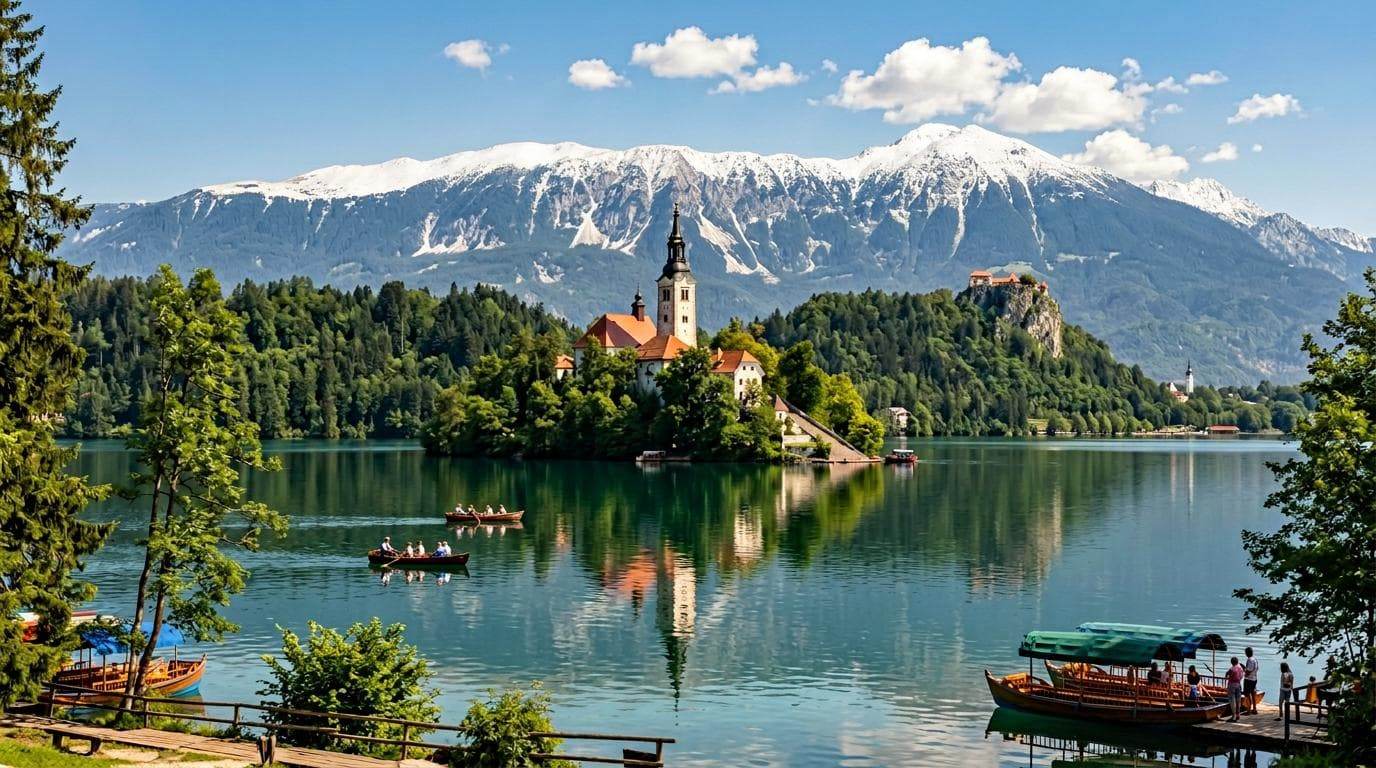
A fairy-tale lake with a church-topped island, a cliff-perched medieval castle, and the Julian Alps as a backdrop — Lake Bled is the most photographed spot in Slovenia. The tradition of rowing a 'pletna' boat to the island and ringing the wishing bell dates back over 500 years. Bled Cream Cake (kremšnita), invented in 1953 at the Park Hotel, has become Slovenia's most famous dessert — over 12 million slices have been sold. The lake's thermal springs keep the water pleasantly warm in summer, reaching up to 26°C, making it one of the warmest alpine lakes in Europe. Tito's former summer residence on the shores is now a boutique hotel.
"Where Swiss history began"
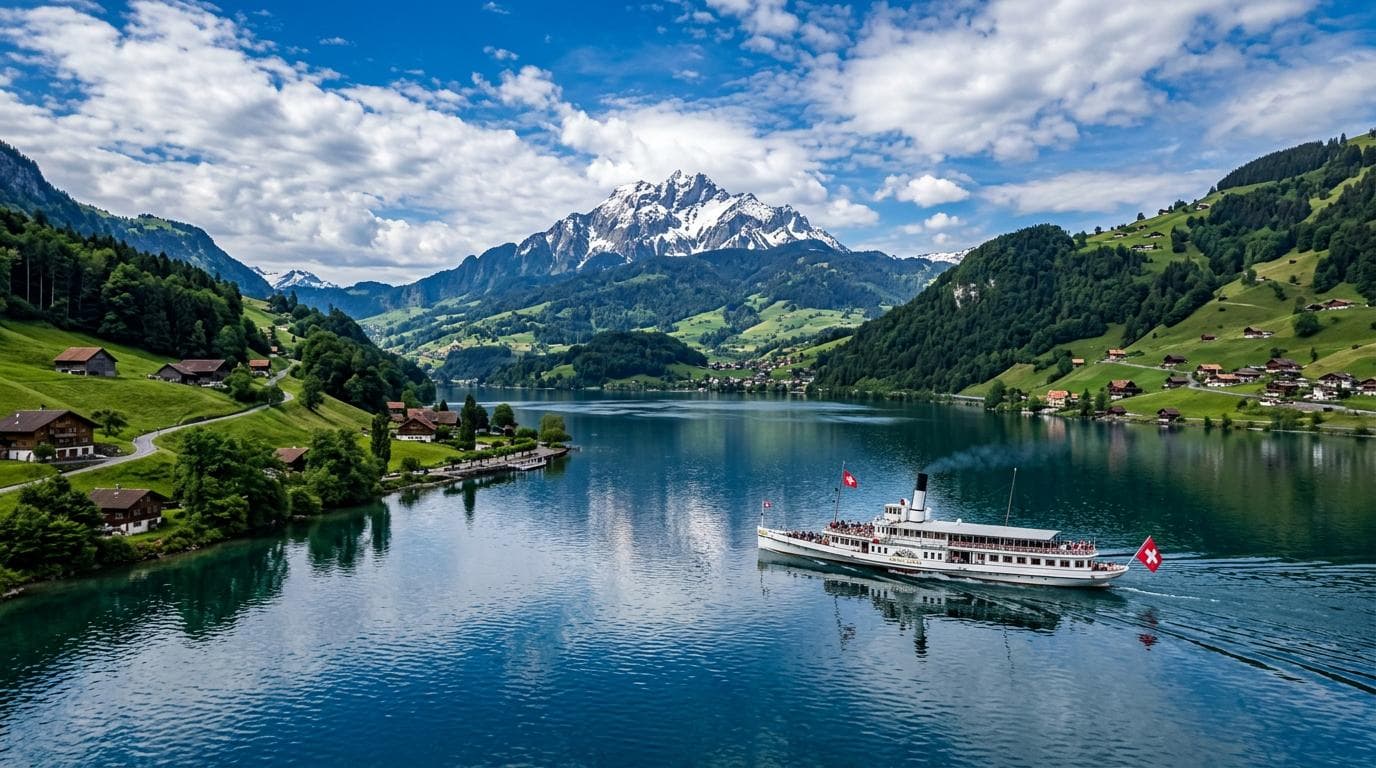
Surrounded by some of Switzerland's most iconic peaks — Pilatus, Rigi, and Bürgenstock — Lake Lucerne is where Swiss history began. The legendary William Tell is said to have escaped across these waters, and the Rütli meadow on its shores is considered the birthplace of the Swiss Confederation in 1291. The lake's complex fjord-like shape with four arms creates endlessly changing panoramas. Historic paddle steamers from the early 1900s, still lovingly maintained, cruise the lake daily. The city of Lucerne itself charms with its medieval Chapel Bridge (Kapellbrücke), the oldest covered wooden bridge in Europe, and the stunning KKL concert hall designed by Jean Nouvel.
"The most beautiful lake in the world — Aldous Huxley"
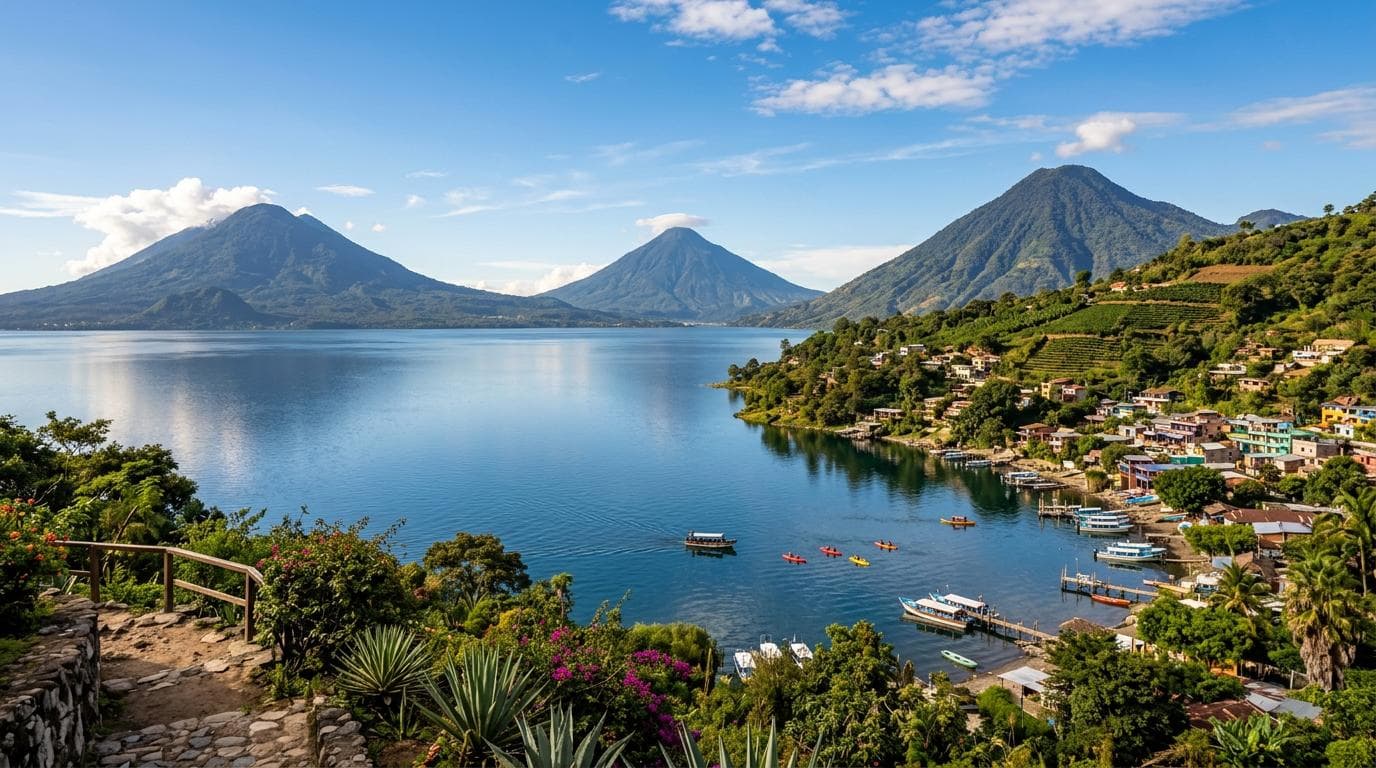
Aldous Huxley called it 'the most beautiful lake in the world,' and Lake Atitlán still lives up to that reputation. Cradled in a volcanic caldera at 1,562 meters, the lake is framed by three towering volcanoes — Atitlán, Tolimán, and San Pedro — creating one of the most dramatic landscapes in Central America. Twelve indigenous Maya villages dot the shores, each with its own distinct traditional dress, dialect, and culture. Santiago Atitlán is famous for the folk saint Maximón, a deity blending Mayan and Catholic traditions. The lake has no visible outlet — water escapes through underground drainage and evaporation. Kayaking across the glassy morning water before the daily 'Xocomil' wind rises is pure magic.
"The heartbeat of a sleeping giant"
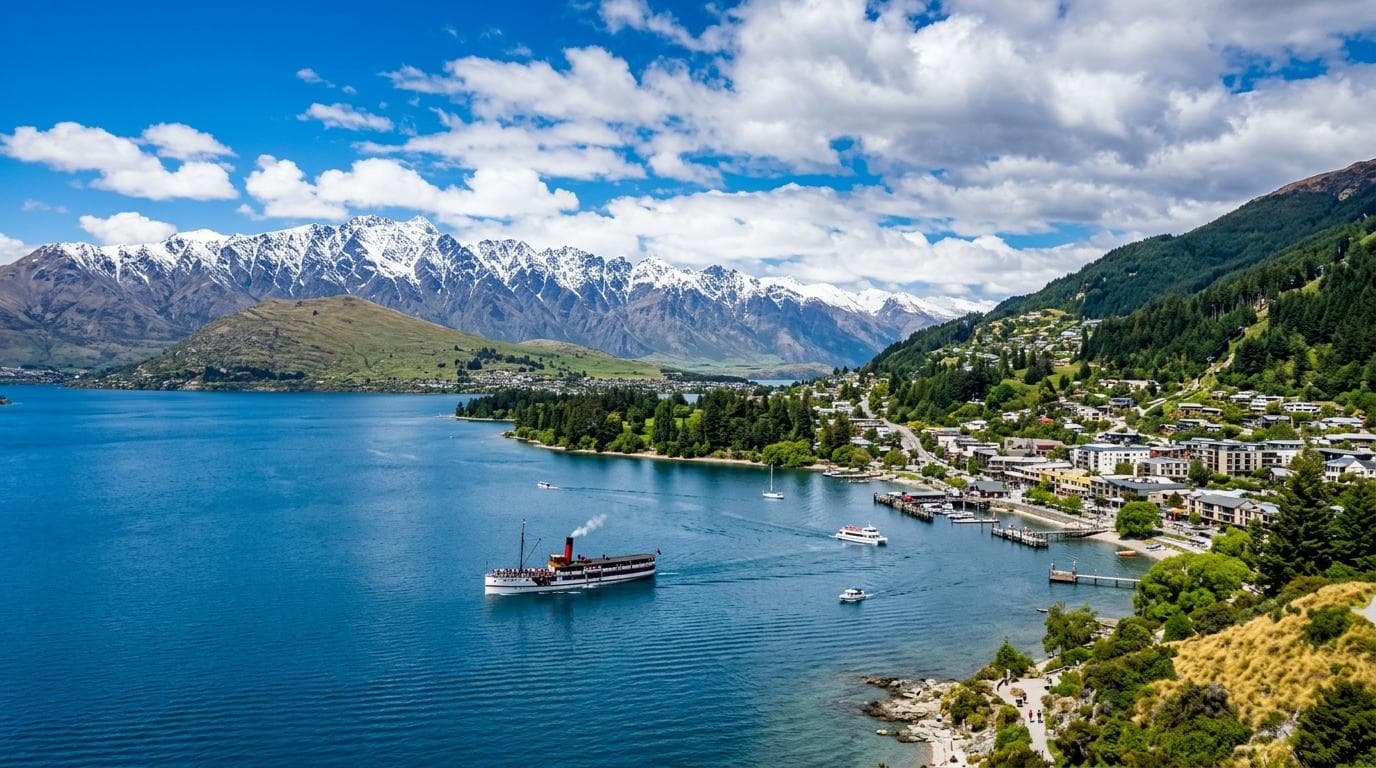
Shaped like a lightning bolt and cradled by the Remarkables mountain range, Lake Wakatipu is the adventure capital lake of New Zealand. The Māori legend says the lake's rhythmic 12 cm rise and fall every five minutes is the heartbeat of the sleeping giant Matau, who was set on fire and melted into the earth. The vintage steamship TSS Earnslaw, built in 1912, still crosses the lake daily to Walter Peak High Country Farm. Queenstown, perched on its shores, offers everything from bungee jumping to wine tours. The lake's depth of 380 meters makes it one of the deepest in New Zealand, and its waters are so pure they're classified as 99.9% clean.
"Three countries, one magnificent lake"
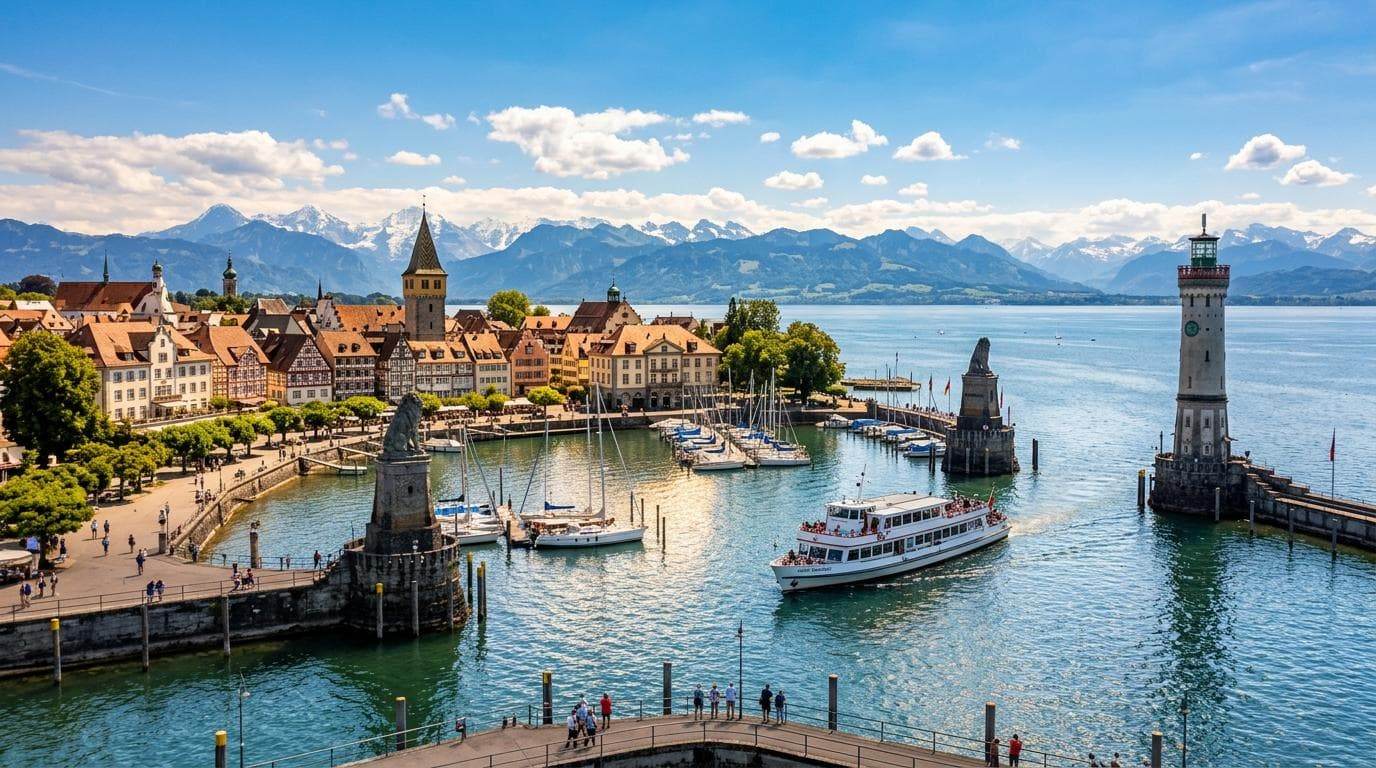
Central Europe's third-largest lake spans three countries and has been a cultural crossroads for millennia. The medieval island town of Lindau, connected by a causeway, is crowned by a Bavarian lion statue guarding the harbor entrance. Flower Island Mainau, owned by the Swedish royal family, bursts with tropical gardens, butterfly houses, and over a million tulips each spring. The Bodensee is a gourmet destination — the fish 'Felchen' is a regional delicacy, and vineyards along the shores produce excellent Müller-Thurgau wines. The Bregenz Festival each summer transforms a floating stage on the lake into one of the world's most spectacular open-air opera venues, with sets rising dramatically from the water.
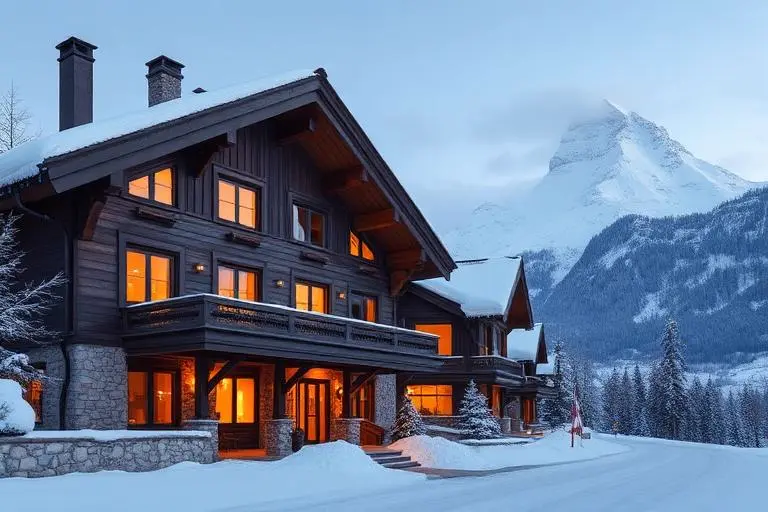
The Omnia
Zermatt
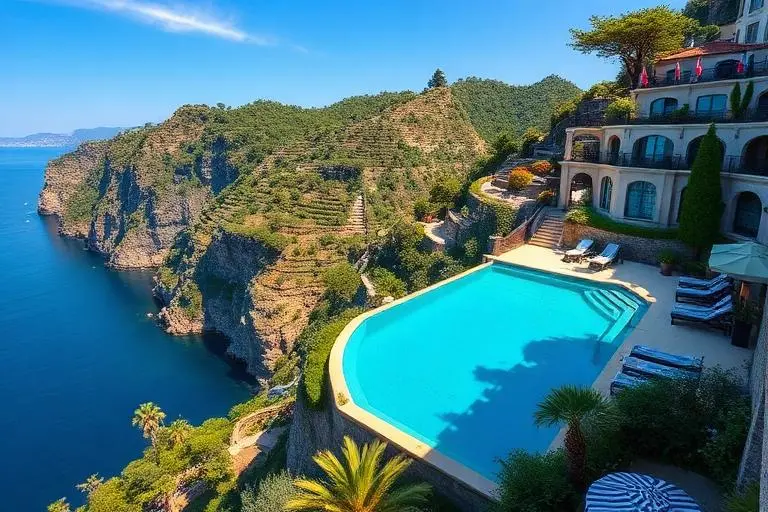
Belmond Hotel Caruso
Ravello
The Gritti Palace
Grand Canal
发现更多令人惊叹的目的地?