The Indian Ocean's islands are the ultimate in tropical luxury — from the Maldives' overwater villas to the Seychelles' granite paradises.
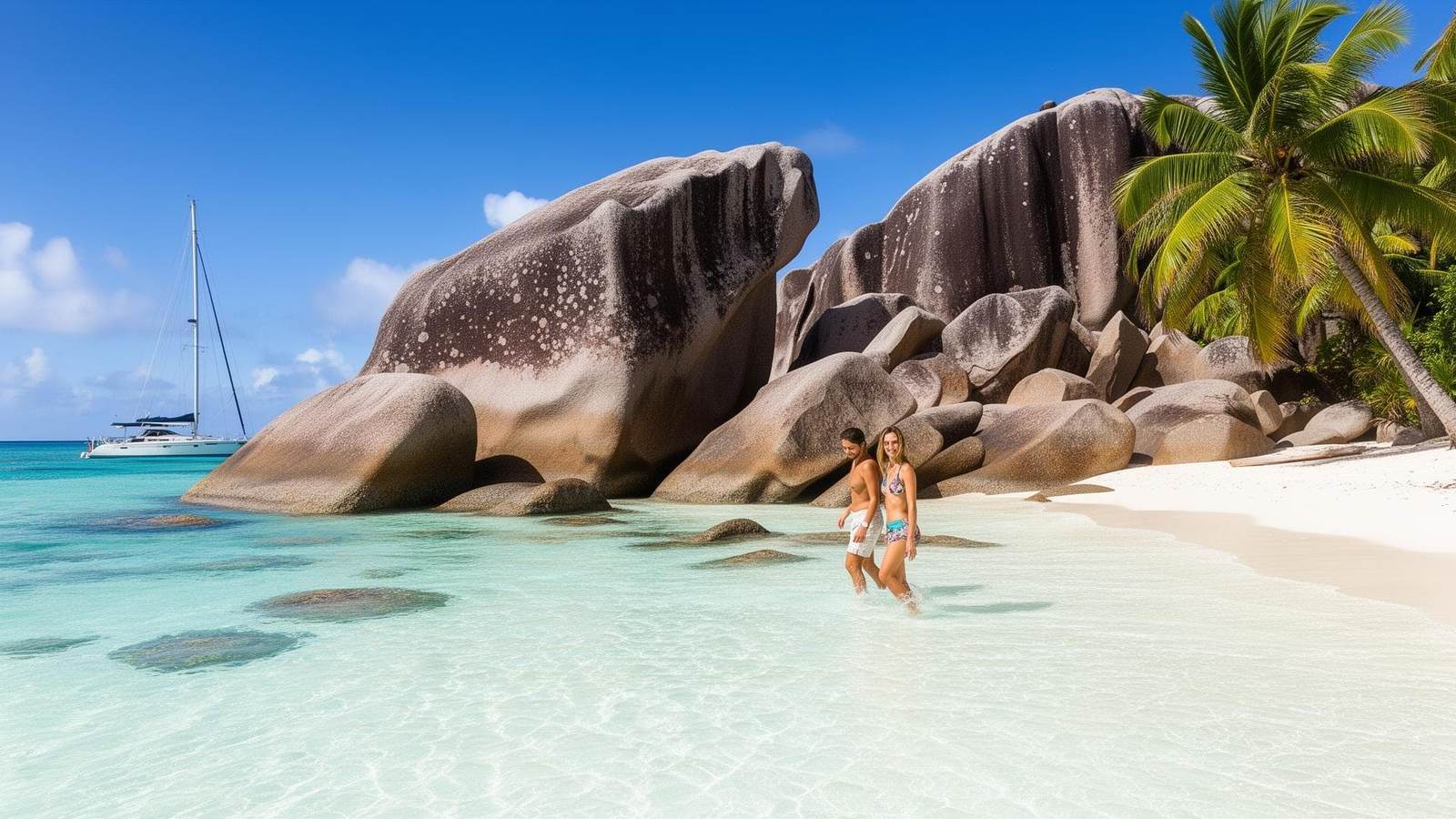
"Granite sculptures framing paradise"
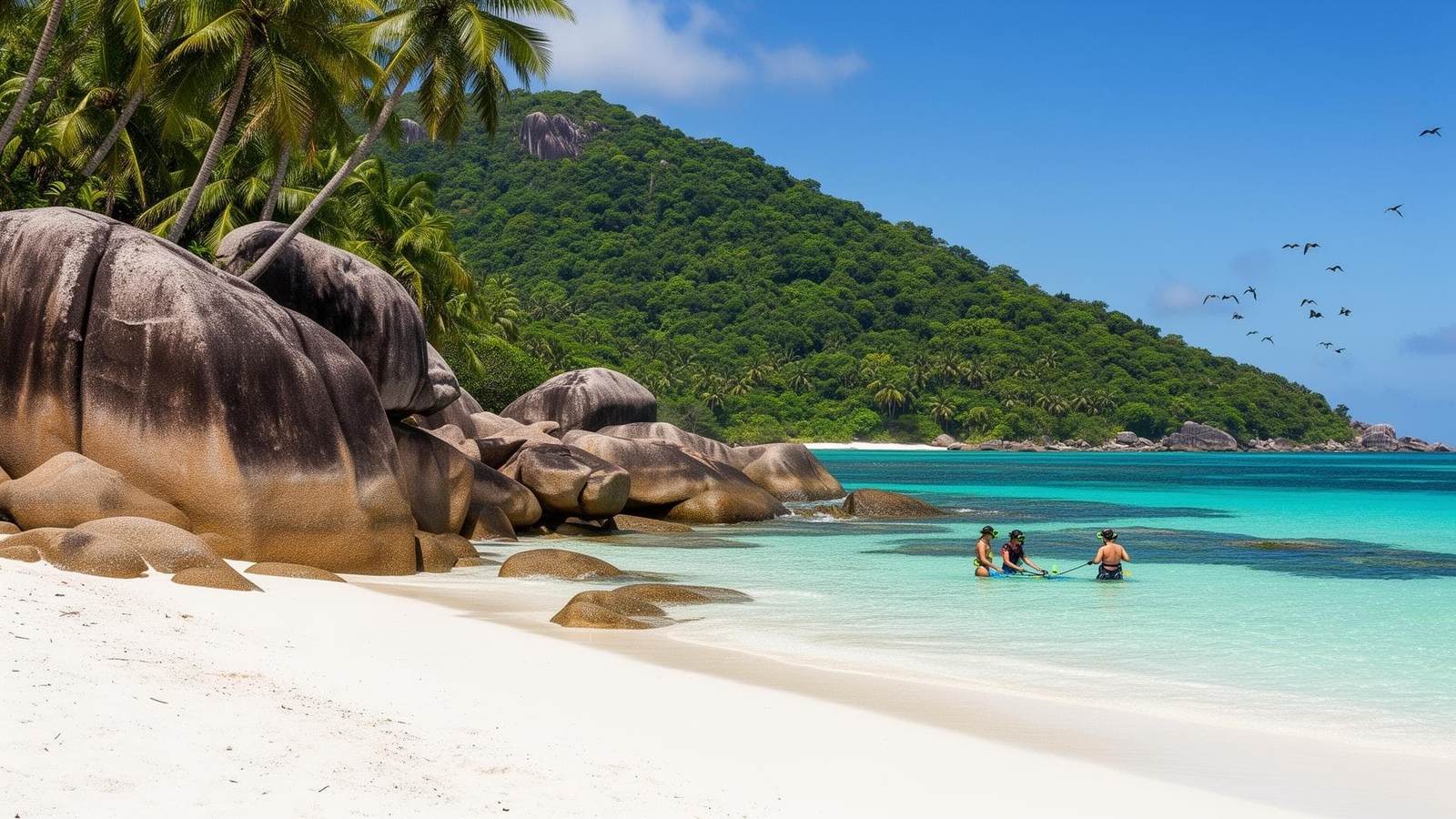
Anse Source d'Argent on La Digue island is the most photographed beach in the Seychelles — and quite possibly the most beautiful beach on Earth. Massive ancient granite boulders, sculpted over millions of years by wind and waves into surreal organic shapes, frame pockets of powder-soft pink-white sand lapped by shallow, warm turquoise water. The beach is protected by an offshore reef, creating a calm, shallow lagoon perfect for wading and snorkeling. Access is through the L'Union Estate, a working coconut and vanilla plantation with a colonial-era copra mill and giant Aldabra tortoises roaming freely. The granite formations create natural caves and grottos, and the light shifts throughout the day create constantly changing colors on the rock faces — golden at dawn, silver at midday, and rose at sunset. La Digue itself is car-free, with ox carts and bicycles the primary transport, preserving a dreamlike sense of time standing still.
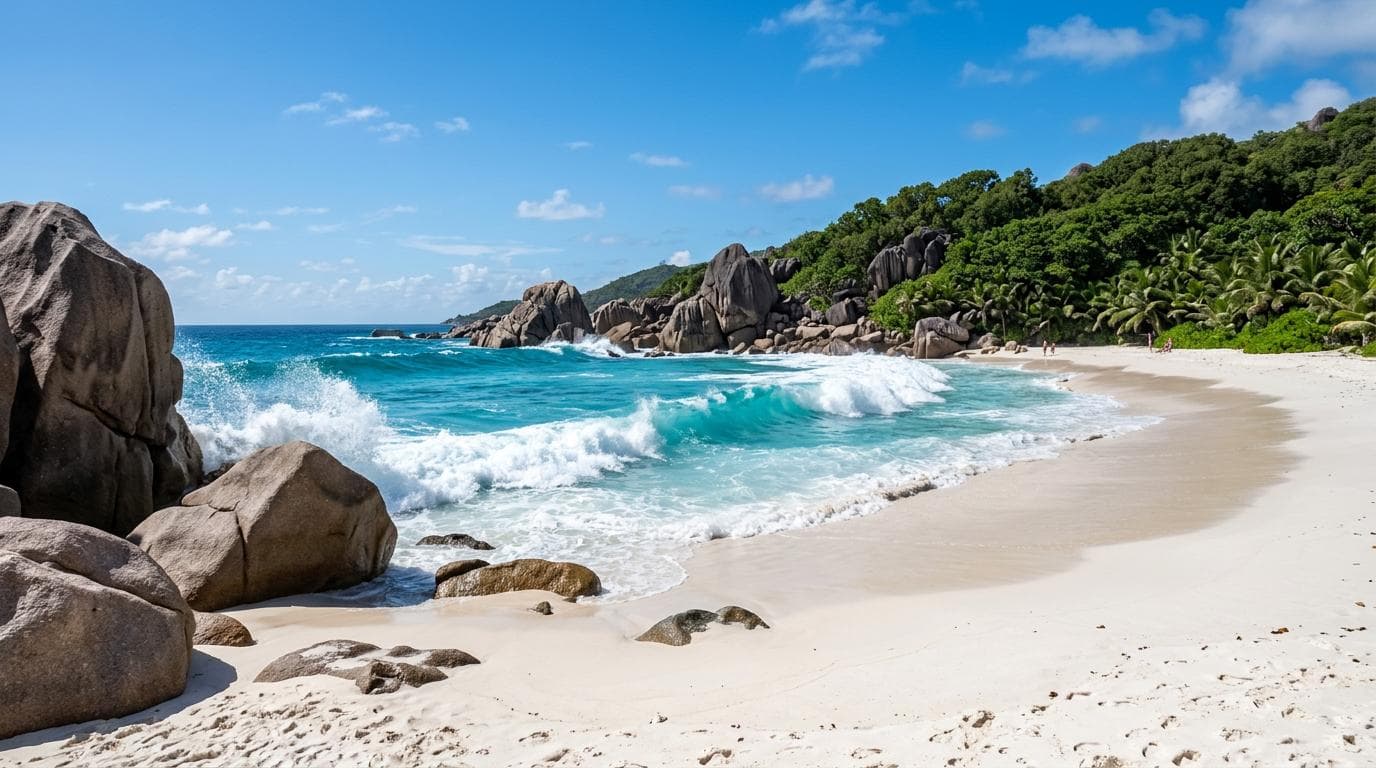
"Wild ocean grandeur on a car-free island"
Grand Anse on La Digue is a vast, wild, and magnificently beautiful beach — a long sweep of powder-soft sand backed by takamaka trees and coconut palms, with the Indian Ocean stretching endlessly to the horizon. Unlike the sheltered Anse Source d'Argent on the island's other side, Grand Anse faces the open ocean, delivering powerful waves and a thrilling sense of raw, untamed nature. The surrounding granite hills are covered in dense tropical forest, and the beach is reached by bicycle or on foot through the island's lush interior — there are virtually no cars on La Digue. The Veuve Nature Reserve nearby is home to the Seychelles paradise flycatcher, one of the world's rarest birds. Adjacent Petite Anse and Anse Cocos, reached by scrambling over granite outcrops, offer even more secluded beauty. The relative difficulty of access means Grand Anse remains uncrowded even in peak season.
"The flagship Zanzibar beach for swimming and sunsets"
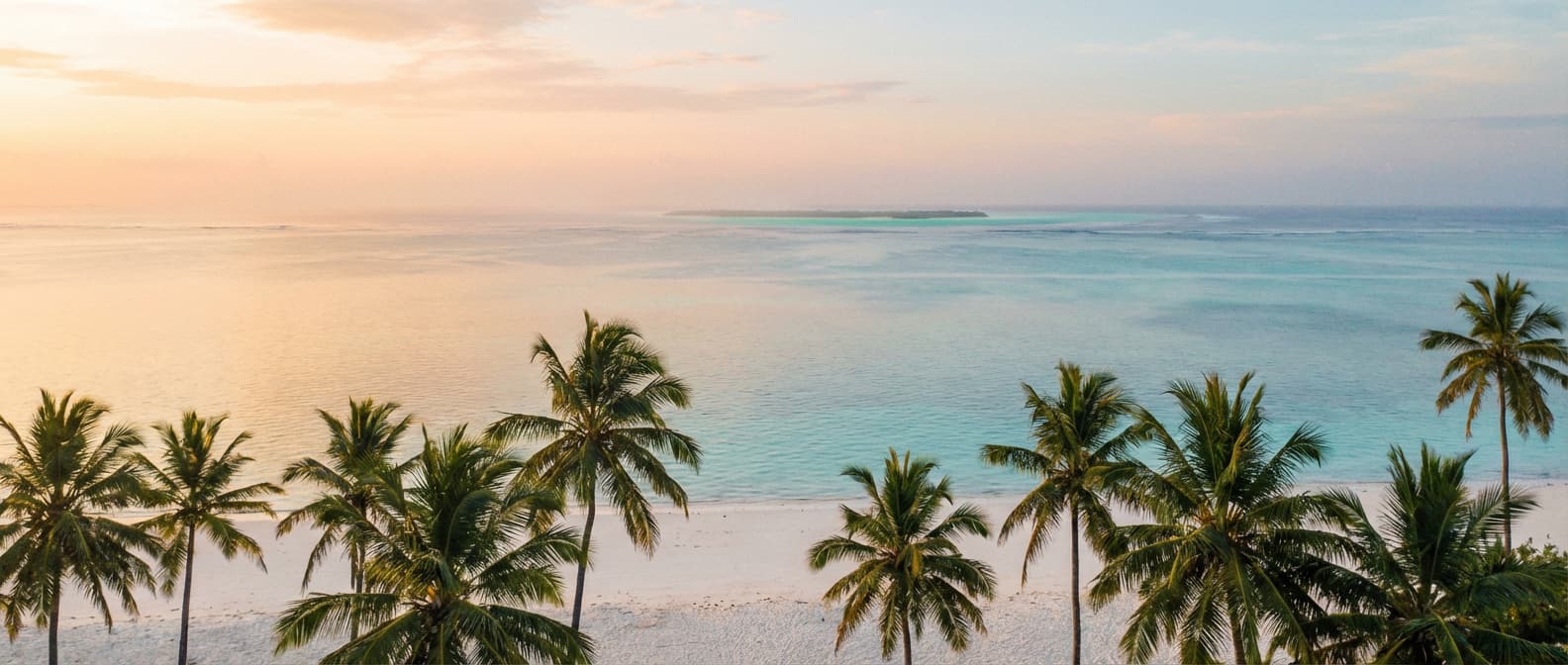
Nungwi Beach is Zanzibar's iconic northern showpiece — a luminous sweep of powder-white sand and clear turquoise water where the tidal swing is gentler than on the east coast, making it one of the island's best all-day swimming beaches. Traditional dhow boatbuilding still shapes local life here, and the village balances authentic Swahili character with a polished luxury-beach feel. Sunset cruises, diving trips, Mnemba snorkeling excursions, and lively seafood restaurants make Nungwi the natural flagship beach for Zanzibar.
"Luxury sunset sands on Zanzibar's northwest coast"
Just south of Nungwi, Kendwa Beach offers one of Zanzibar's most photogenic stretches of sand — broad, bright, and especially celebrated for calm water and spectacular sunsets. The beach feels a touch more serene and resort-driven than Nungwi, with boutique hideaways, elegant beachfront dining, and a long, open shoreline that stays beautiful from dawn to dusk. For travelers wanting Zanzibar's classic turquoise-and-palm aesthetic with a polished luxury atmosphere, Kendwa is one of the island's finest addresses.
"Quiet northeast elegance facing Mnemba Atoll"
Matemwe Beach is Zanzibar's elegant northeast hideaway — a quieter palm-fringed shoreline of brilliant white sand facing the reef-rich waters around Mnemba Atoll. The atmosphere is more secluded and upscale than the island's busier beach hubs, with intimate resorts, long peaceful walks, and some of Zanzibar's best snorkeling and diving access. Matemwe is ideal for travelers seeking refined Indian Ocean beauty, marine adventures, and a slower, more exclusive rhythm.
"Kitesurfing paradise over shimmering tidal flats"
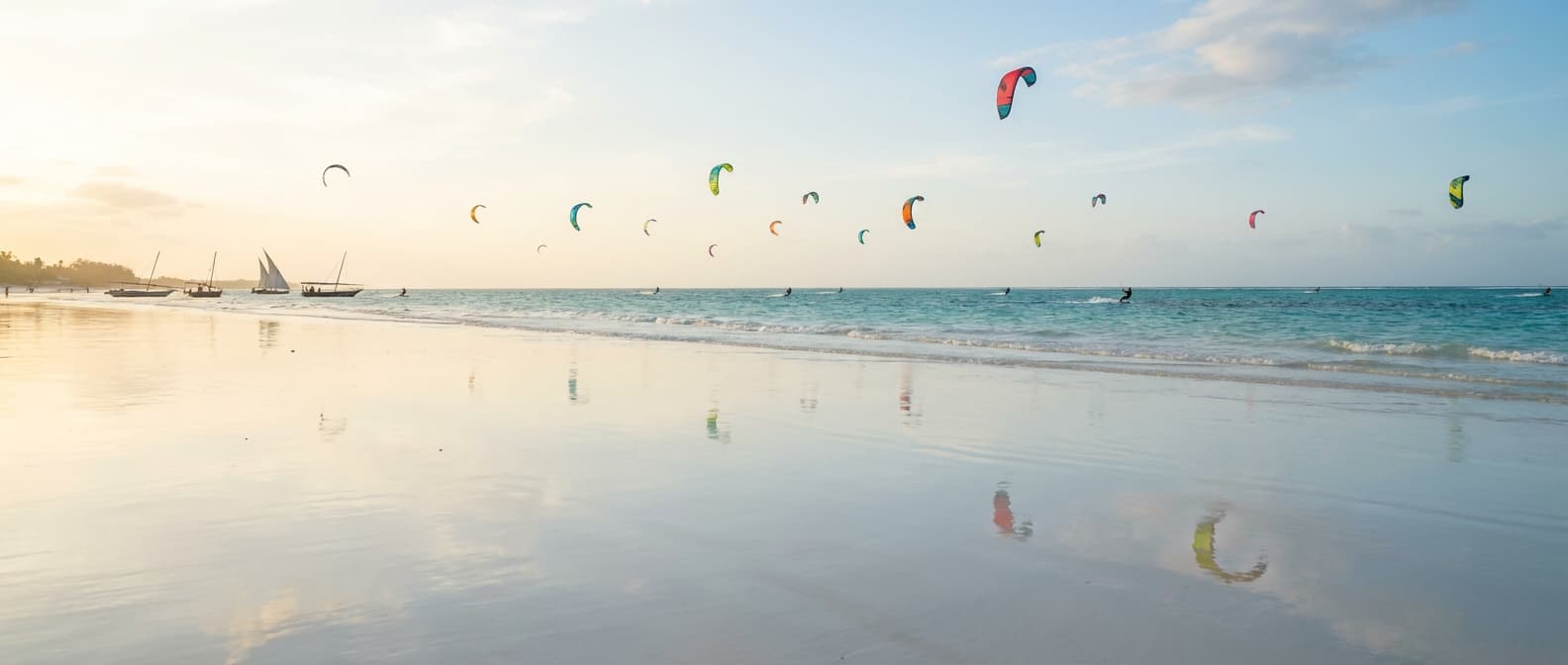
Paje Beach on Zanzibar's southeast coast is the island's stylish barefoot-sports escape, where tidal flats, electric turquoise shallows, and steady trade winds create one of East Africa's best kitesurfing scenes. At low tide the beach opens into dazzling reflective sandbars, while boutique stays, smoothie cafés, and relaxed beach clubs give the village a young yet upscale feel. It is Zanzibar at its most airy, design-conscious, and active without losing the island's tropical calm.
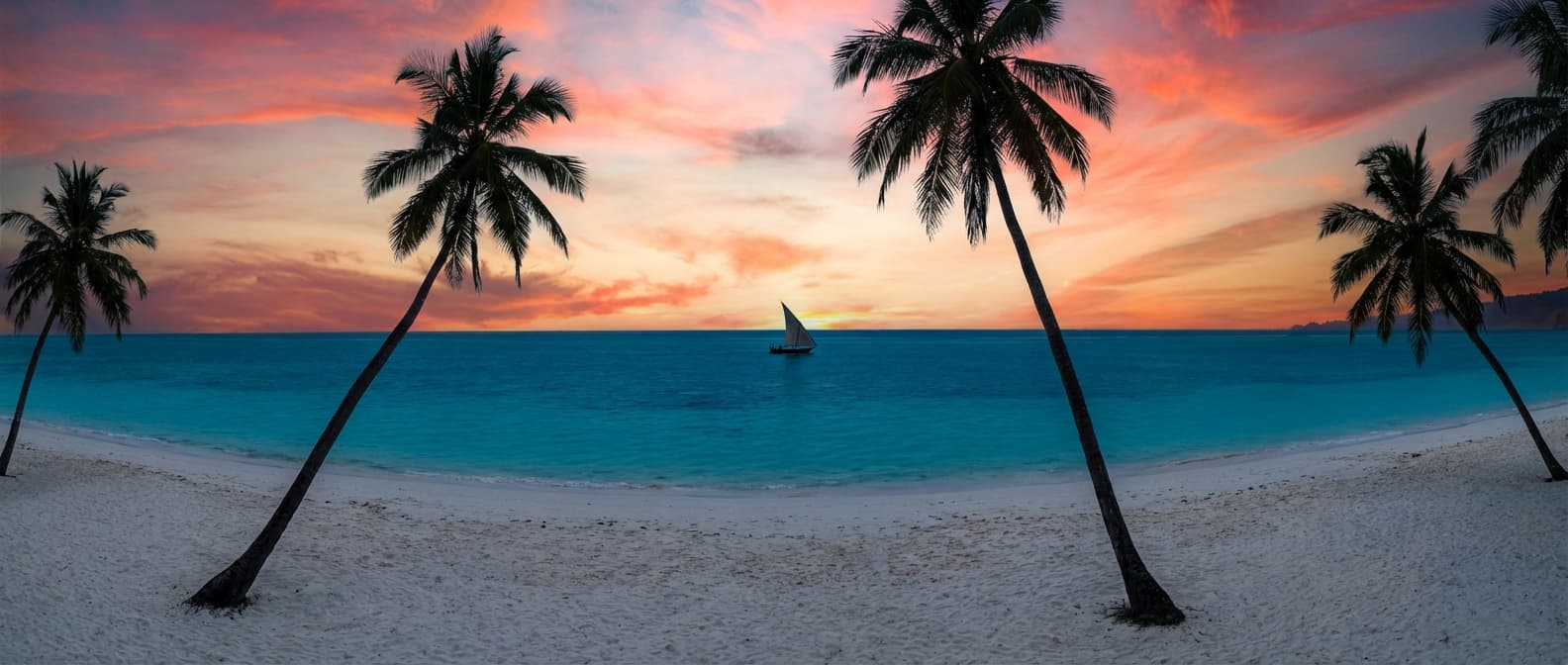
"Zanzibar's only east-coast sunset bay"
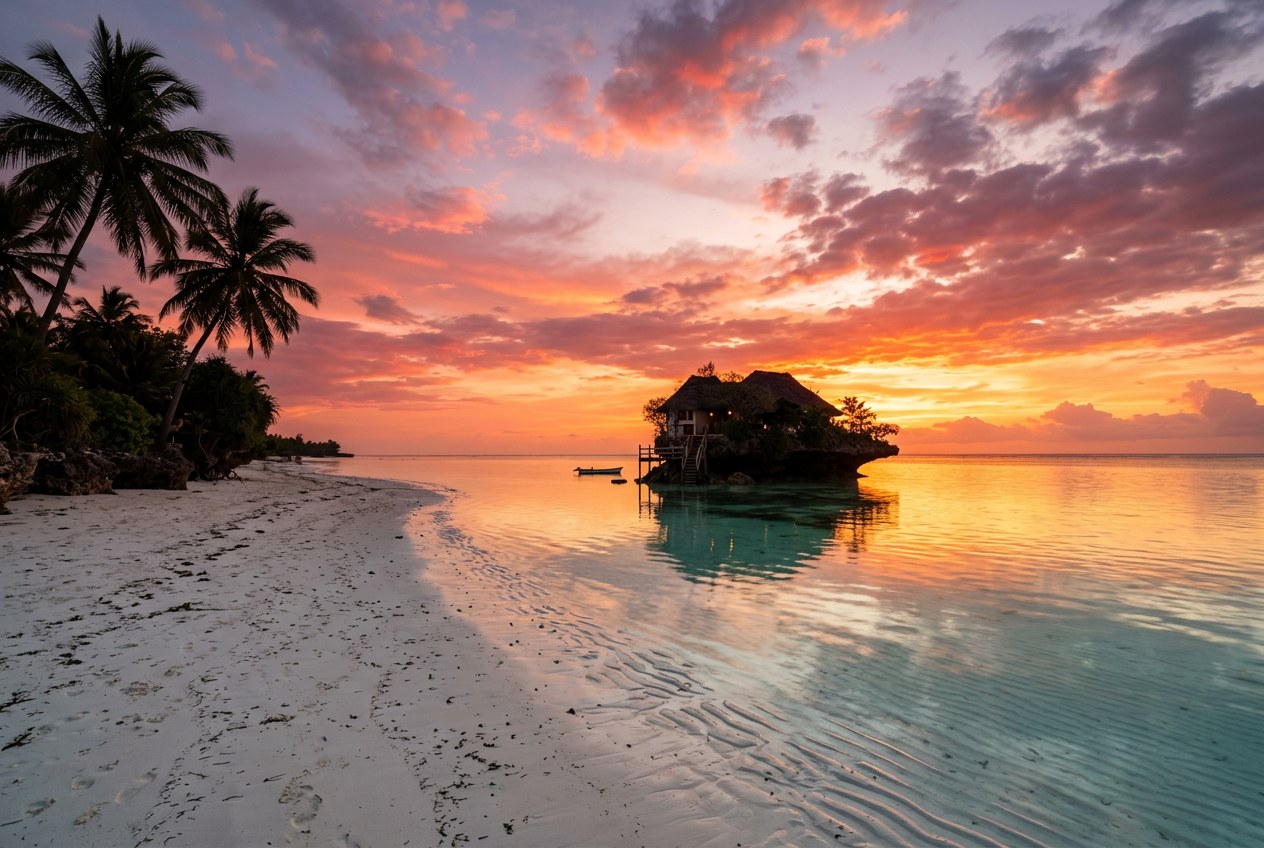
Michamvi Pingwe occupies the very tip of Zanzibar's southeast peninsula — and uniquely faces west, making it one of the only east-coast beaches on the island where you can watch the sun set directly over the Indian Ocean. The bay is defined by an iconic isolated coral rock rising from the shallow turquoise lagoon, home to one of East Africa's most famous restaurants set right on the rock itself. Beyond the postcard moment, Michamvi delivers wide white-sand walks, glassy low-tide reflections, exclusive design hotels and a peaceful atmosphere that feels worlds away from the busier coasts.
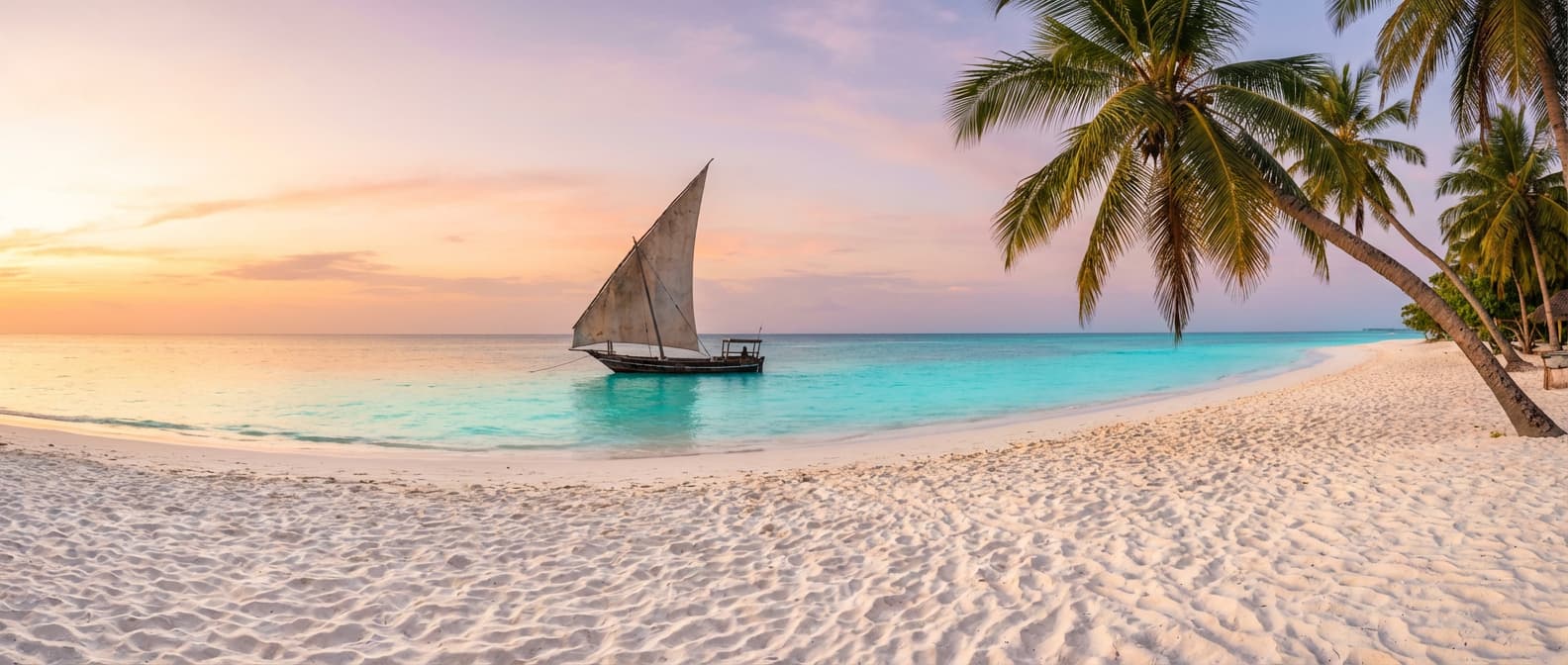
"Sheltered cove that swims at any tide"
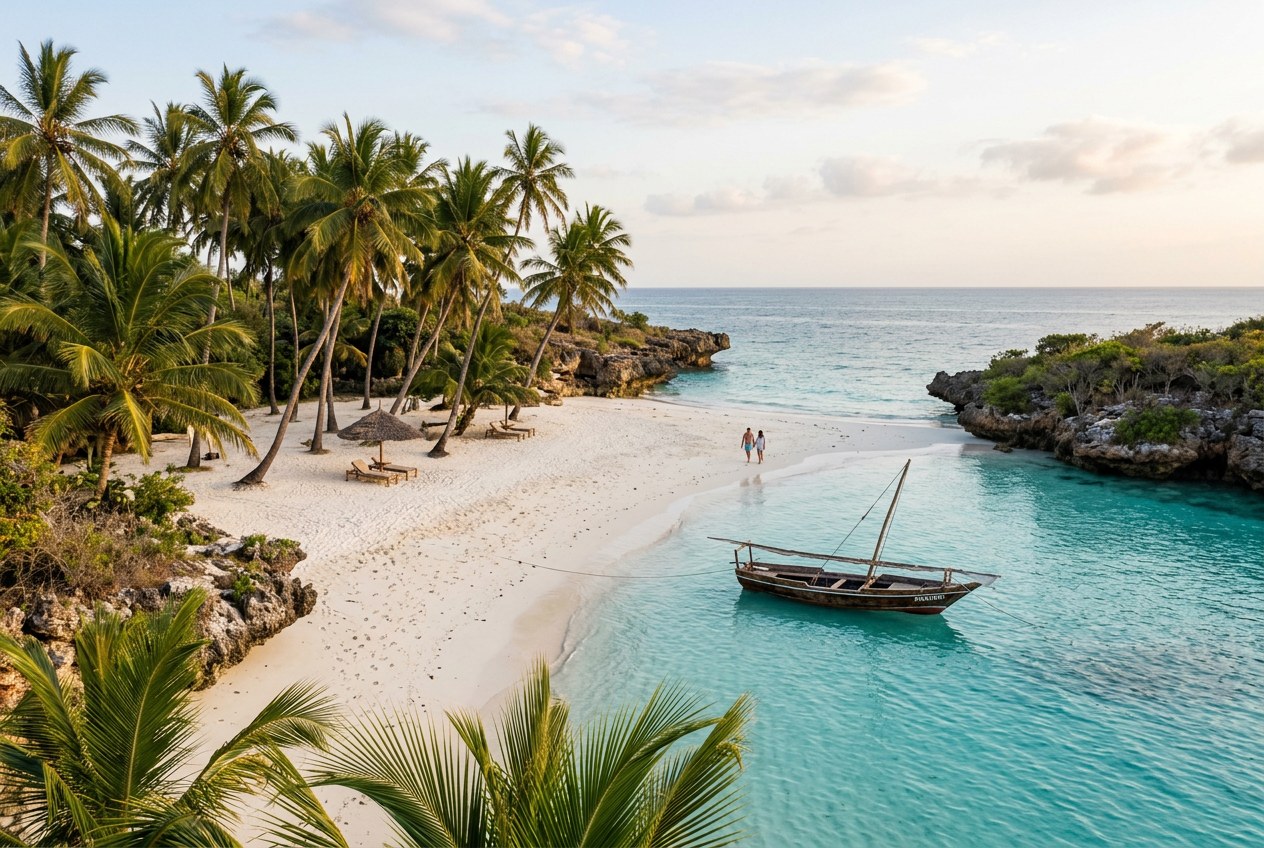
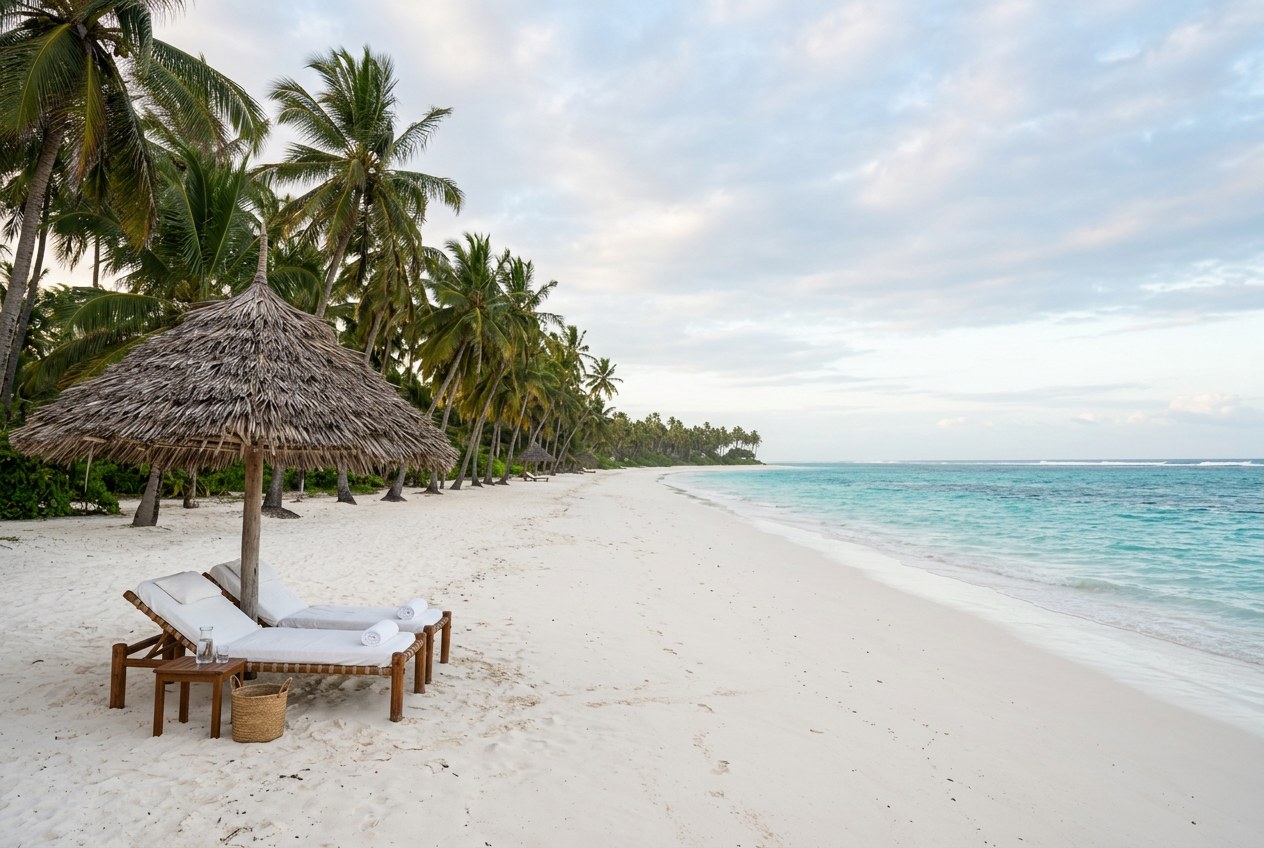
Pongwe is Zanzibar's hidden east-coast secret — an intimate crescent of brilliant white sand cradled between two low coral rock outcrops, with one of the few east-coast lagoons that remains deep enough to swim in even at low tide. The result is one of the island's most peaceful and most swim-friendly beaches, framed by leaning coconut palms and a single anchored dhow drifting on water so clear it looks unreal. With only a handful of small, design-led boutique hotels along its shore, Pongwe is the antidote to Zanzibar's busier beaches: serene, exclusive and effortlessly photogenic.
"The widest white-sand stretch on the east coast"
Bwejuu is Zanzibar's most expansive stretch of pure-white powder sand — an almost endlessly wide east-coast beach lined with tall coconut palms and washed by a calm turquoise lagoon protected by a distant offshore reef. Sandwiched between lively Paje and the dramatic Michamvi peninsula, Bwejuu is where Zanzibar slows down: long sunrise walks, intimate boutique resorts under thatched palm roofs, and the kind of barefoot silence that makes this one of the island's most romantic stays. It is the place to come for refined seclusion without losing easy access to the southeast coast's best beach clubs and sunset spots.
"Longest reef-protected beach on the northeast coast"
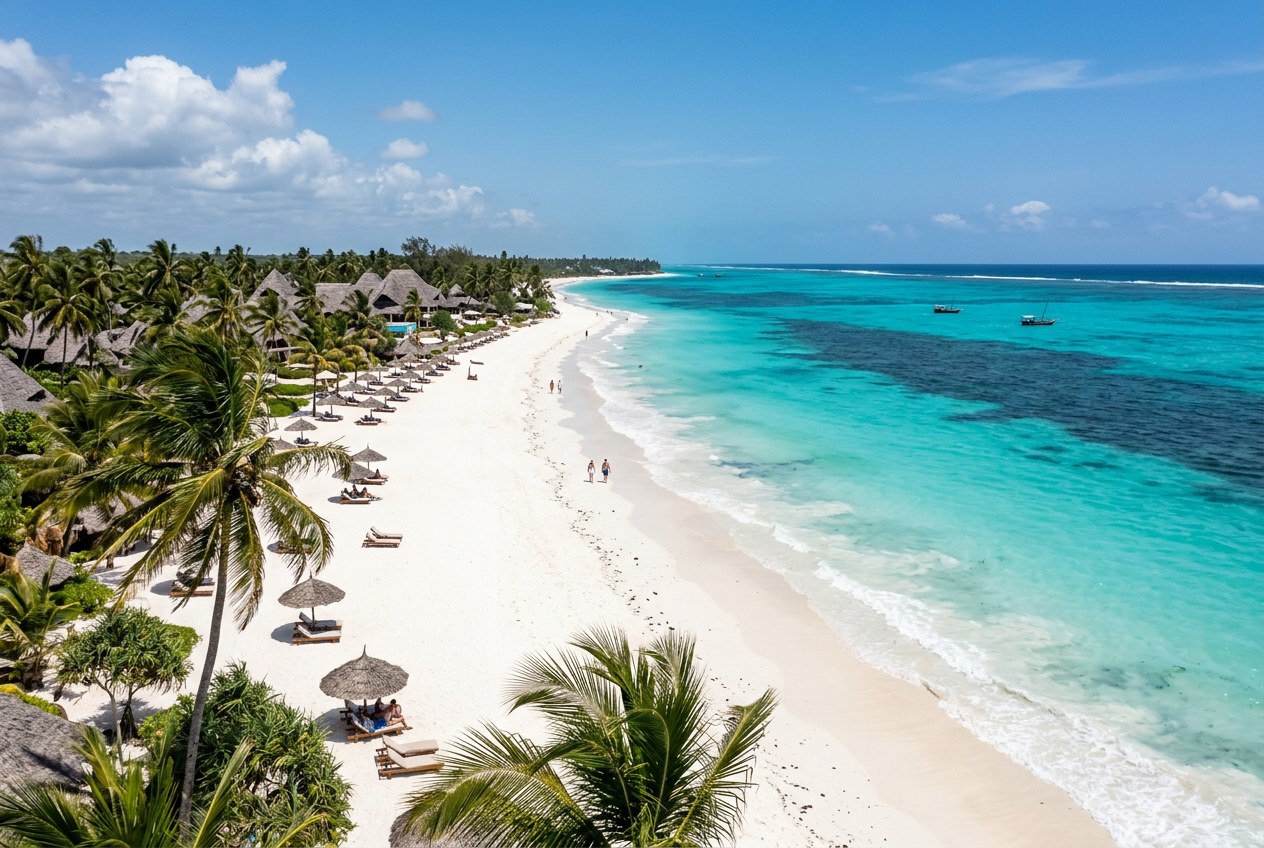
Kiwengwa is the longest unbroken white-sand beach on Zanzibar's northeast coast — a brilliant ribbon of fine pale sand fronting a vivid turquoise lagoon protected by a clearly visible offshore coral reef. It is the island's most established resort coastline, home to a polished mix of all-inclusive escapes, refined boutique villas and beach clubs, all set against swaying coconut palms and a horizon broken only by the white line of breaking waves on the reef. Kiwengwa offers some of Zanzibar's most reliable swimming conditions, excellent snorkeling access and effortless logistics, making it the natural choice for travellers who want comfort, scale and uninterrupted Indian Ocean beauty.
"Authentic Swahili village beach with photogenic sandbars"
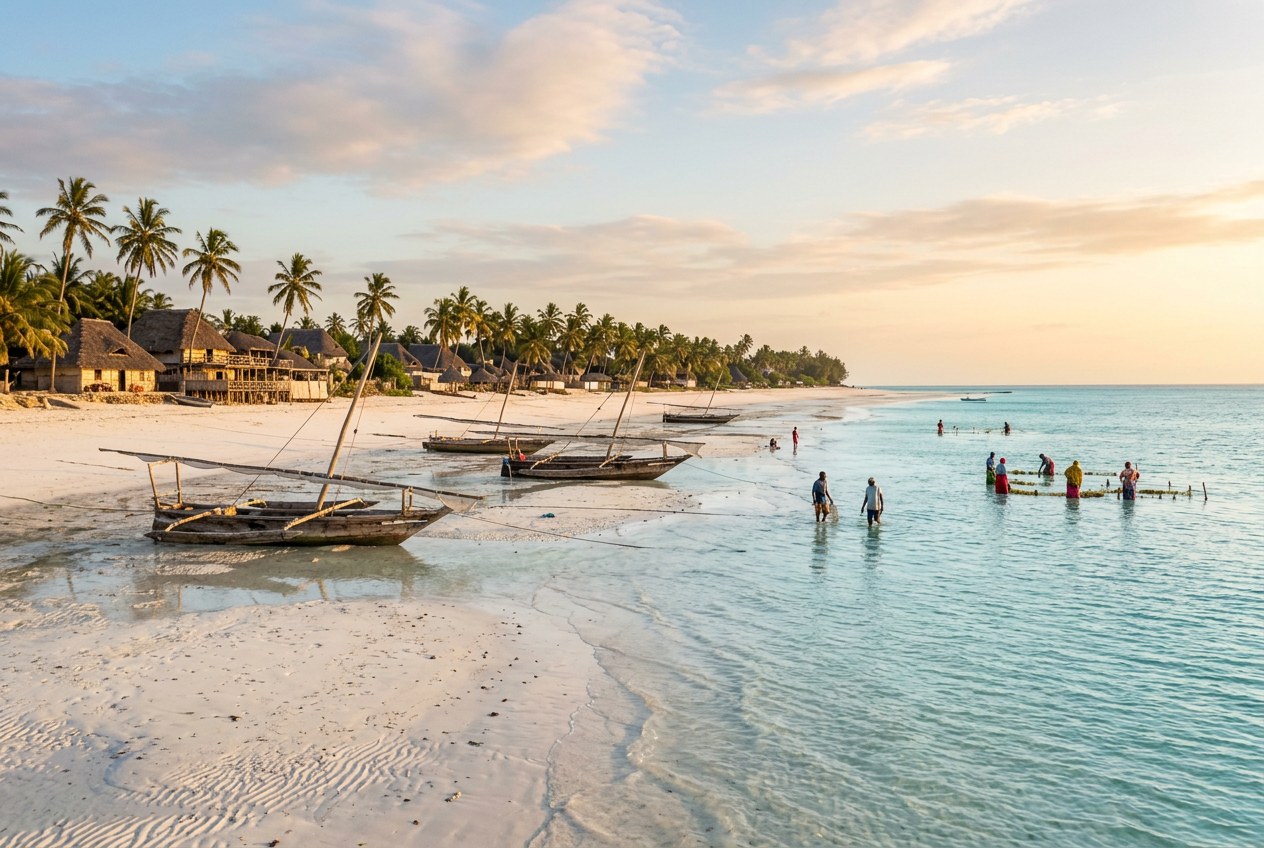
Jambiani is Zanzibar's authentic southeast soul — a long ribbon of dazzling white sand stretching past a traditional Swahili fishing village where seaweed farmers wade the shimmering tidal flats at low tide and wooden ngalawa outriggers rest on the bright turquoise shallows. Quieter and more grounded than nearby Paje, Jambiani is the island's most photogenic blend of village life and pristine coastline, with intimate guesthouses, barefoot beach restaurants and reef-protected swimming pools that emerge at low tide. It is Zanzibar for travellers who want beauty without crowds and culture without compromise.
"The undisputed queen of tropical luxury"
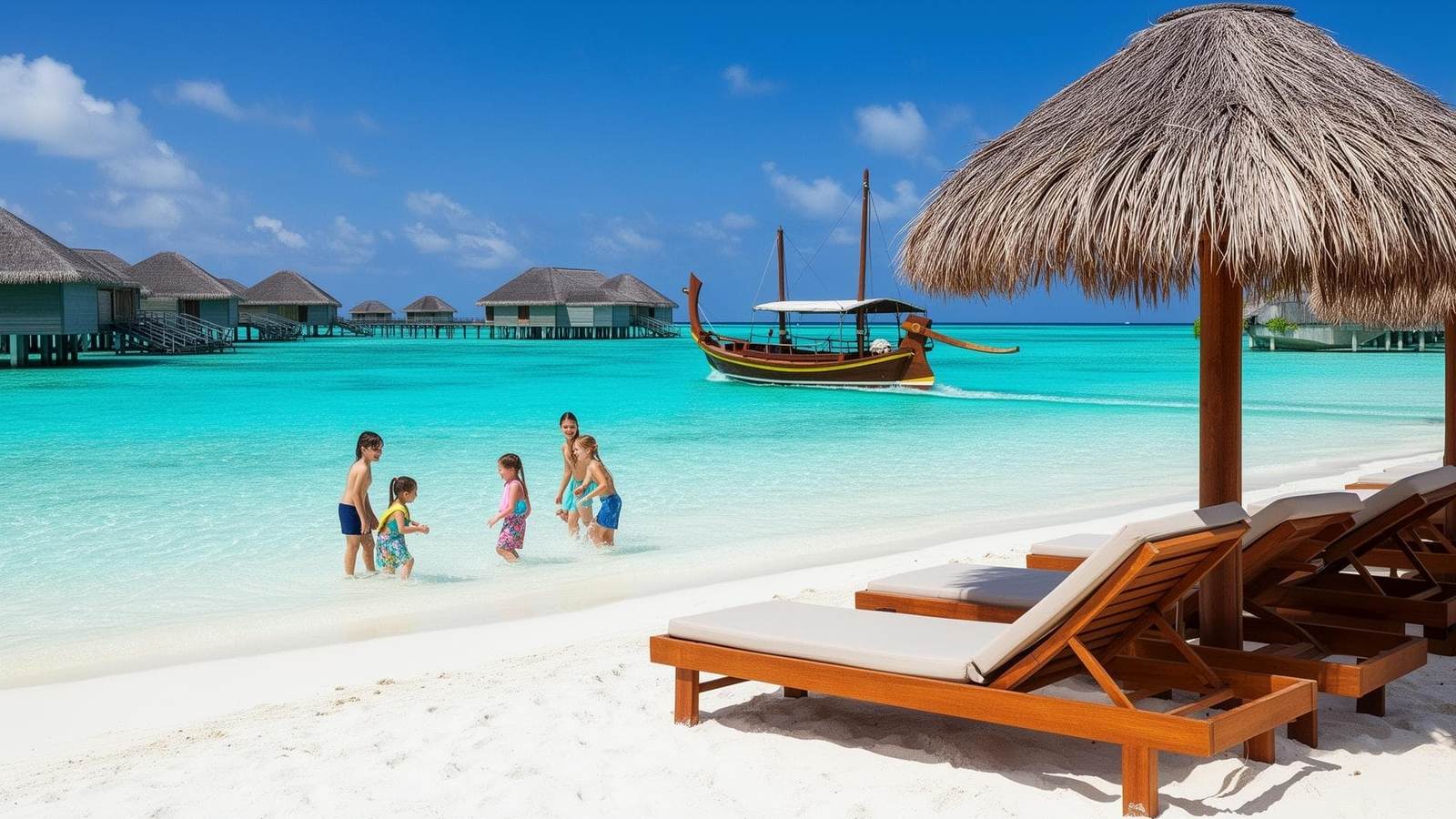
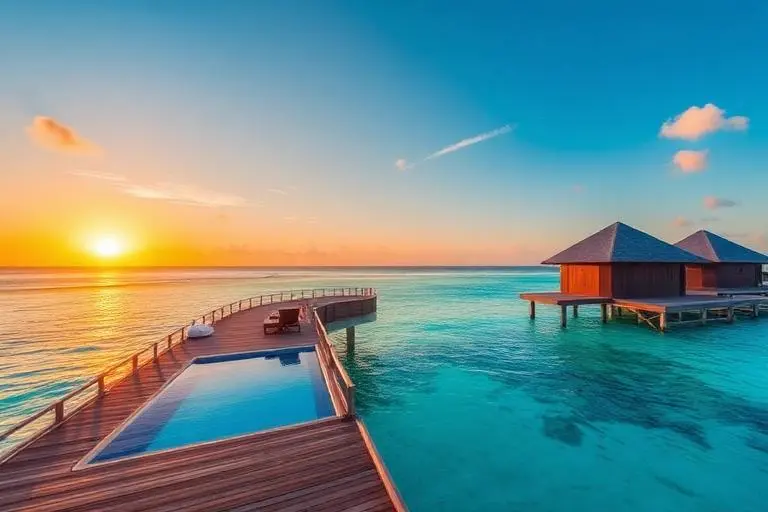
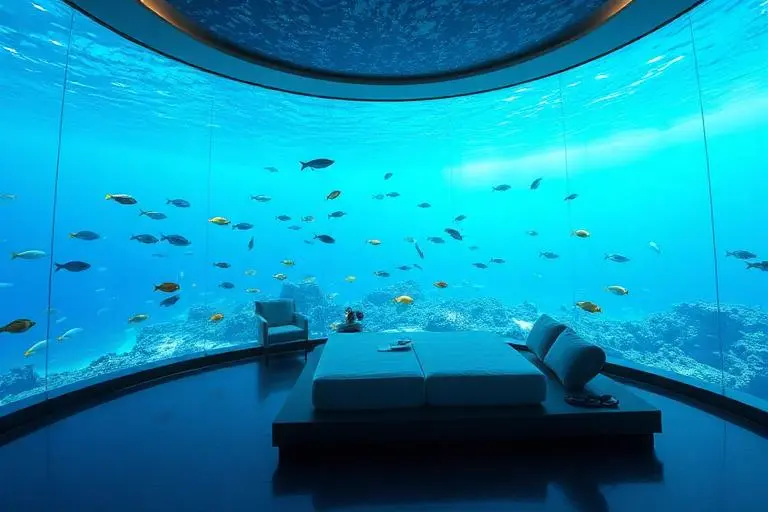
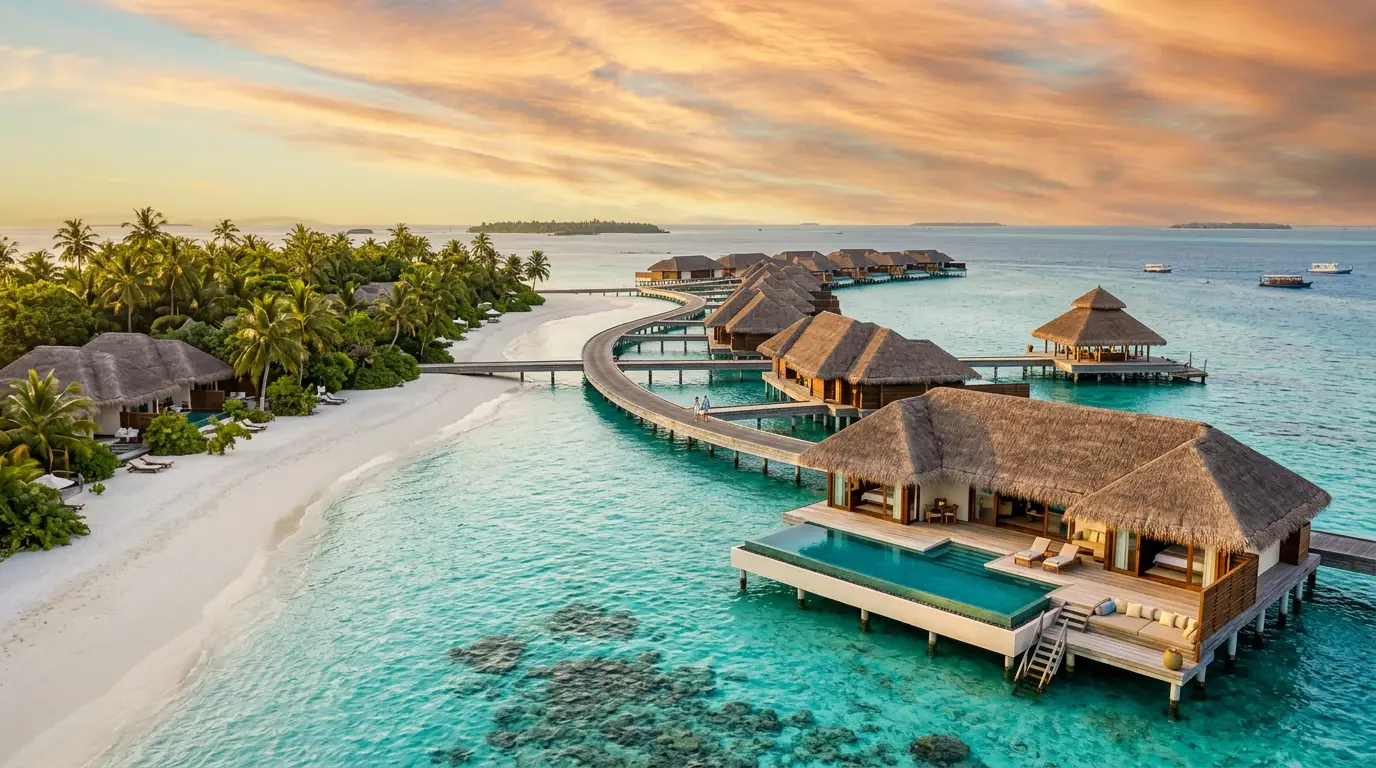
Experience unparalleled luxury in stunning overwater villas perched above crystal-clear turquoise lagoons. Wake up to panoramic ocean views and step directly into warm tropical waters from your private deck. The Maldivians are exceptionally warm and hospitable — tourism is the backbone of their economy, so guests are treated with genuine care. The local currency is the Maldivian Rufiyaa, but US Dollars are accepted everywhere on resort islands, and the Euro is also widely welcomed. Your money goes a long way on local islands, though resort prices are premium. Between May and November, majestic manta rays gather at cleaning stations, and you can witness sea turtles nesting on quiet beaches — baby turtles hatching between July and December is a truly magical sight. Whale sharks visit the atolls year-round, with peak sightings from May to December. Mosquitoes are present, especially during the wet season (May–October), and while dengue fever is a risk, malaria has been eradicated. Use repellent at dusk and dawn. The atolls are also famous for their bioluminescent plankton, creating a mesmerizing 'Sea of Stars' on certain beaches at night.
"Ancient temples above golden crescents"
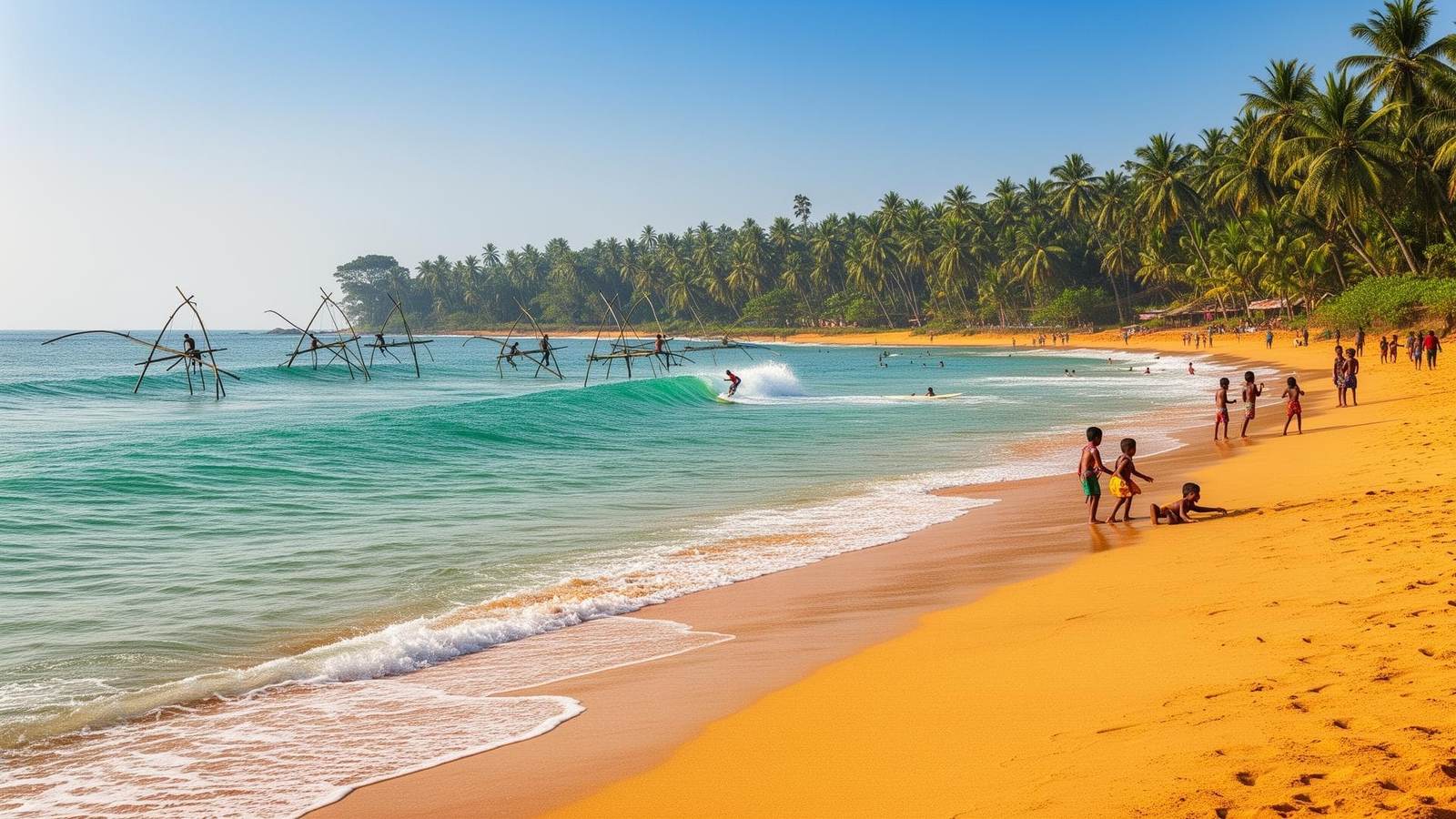
A tropical paradise where ancient Buddhist temples overlook golden crescents of sand, and whale watching, epic surf breaks, and spice-laden cuisine make this an unforgettable coastal journey. The Sri Lankans are warm, curious, and incredibly generous — expect to be invited for tea by strangers and guided to hidden spots by smiling locals. The Sri Lankan Rupee makes the island extraordinarily affordable: a rice and curry buffet costs under €2, a tuk-tuk ride across town €1, and a luxury beachfront villa from €40 per night. The UNESCO-listed Galle Fort — a 16th-century Dutch colonial fortress — is one of South Asia's best-preserved examples of European fortification in Asia, now filled with boutique hotels, art galleries, and atmospheric cafés. From November to April, blue whales — the largest animals ever to have lived — pass through the waters off Mirissa, making this one of the world's best whale-watching destinations. The southern coast's surf breaks at Hiriketiya and Weligama attract surfers of all levels, while Unawatuna's sheltered bay offers calm swimming. Mosquitoes are present year-round and dengue is a concern — repellent and mosquito nets are essential. The island's famed Ceylon tea plantations, ancient Buddhist temples, and spice gardens in the hill country are all within easy day-trip distance, making the southern coast the perfect base for exploring this remarkably diverse island.
"Spice island with powder-white shores"
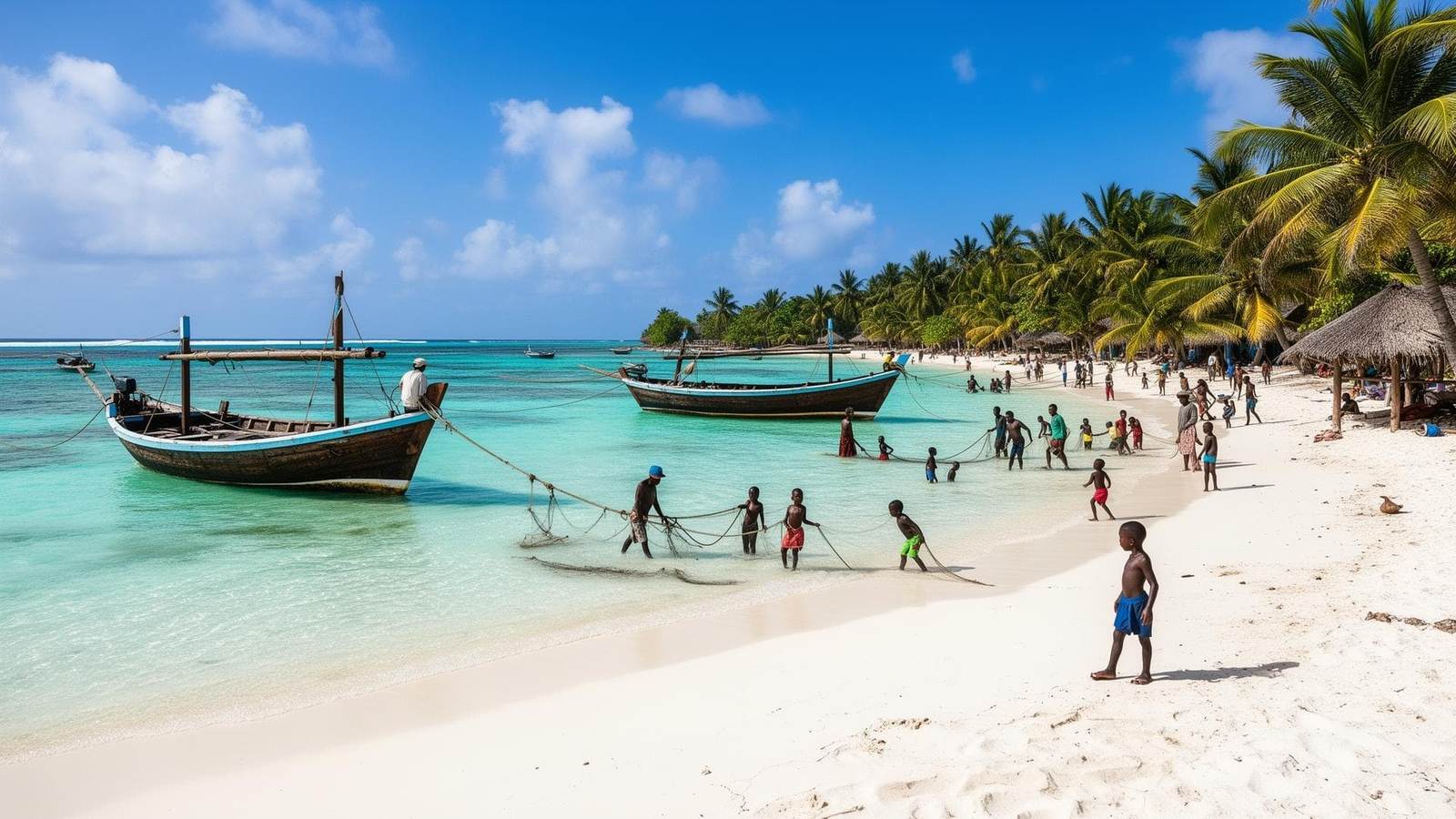
A blend of African, Arab, and Indian influences set against powder-white beaches and turquoise waters. Explore Stone Town's narrow streets and unwind on pristine shores. The Zanzibari people are incredibly welcoming and proud of their multicultural heritage — a mix of Swahili, Arab, Indian, and Persian traditions. The Tanzanian Shilling makes Zanzibar extremely affordable: a fresh seafood dinner at Forodhani Night Market costs around €3–5, a private dhow trip under €20, and a full spice tour about €15. For Euro or Dollar holders, your money stretches remarkably far. From February to March, pods of humpback dolphins are regularly spotted off the southern coast, and between June and September, humpback whales migrate through the channel. The island's spice plantations — growing cloves, vanilla, cinnamon, and nutmeg — offer fascinating tours where you can taste fresh spices straight from the tree. Mosquitoes are a serious consideration: Zanzibar is in a malaria zone, so antimalarial medication is strongly recommended, along with DEET repellent and sleeping under mosquito nets. Sand fleas (jiggers) can also be a nuisance on certain beaches. Despite this, the island's magical sunsets, crystal-clear waters, and the UNESCO-listed Stone Town with its intricately carved wooden doors make it an unforgettable destination.
"Granite boulders framing pristine perfection"
Iconic granite boulders frame pristine beaches of powdery white sand lapped by impossibly clear Indian Ocean waters. The Seychelles are nature's most photogenic masterpiece and one of the few places on Earth where ancient geological formations meet tropical paradise. The Seychellois are a warm, multilingual people speaking Creole, French, and English — a reflection of the islands' diverse heritage. The Seychellois Rupee is the local currency, though Euros and US Dollars are widely accepted; dining ranges from €5 Creole buffets in local takeaways to €100+ fine dining at resort restaurants. Anse Source d'Argent on La Digue — with its sculptured pink granite boulders, shallow turquoise water, and overhanging palms — is regularly voted the world's most beautiful beach. The Vallée de Mai on Praslin, a UNESCO World Heritage site, is home to the endemic coco de mer palm, which produces the world's largest seed weighing up to 25 kg and shaped suggestively enough to inspire centuries of legend. Giant Aldabra tortoises, some over 100 years old, roam freely on several islands. Mosquitoes are present year-round but carry no malaria risk; dengue is the main concern during the wet season. The Seychelles' commitment to conservation — with over 50% of land area protected — makes it one of the world's most eco-conscious destinations.
"Where Le Morne meets turquoise lagoons"
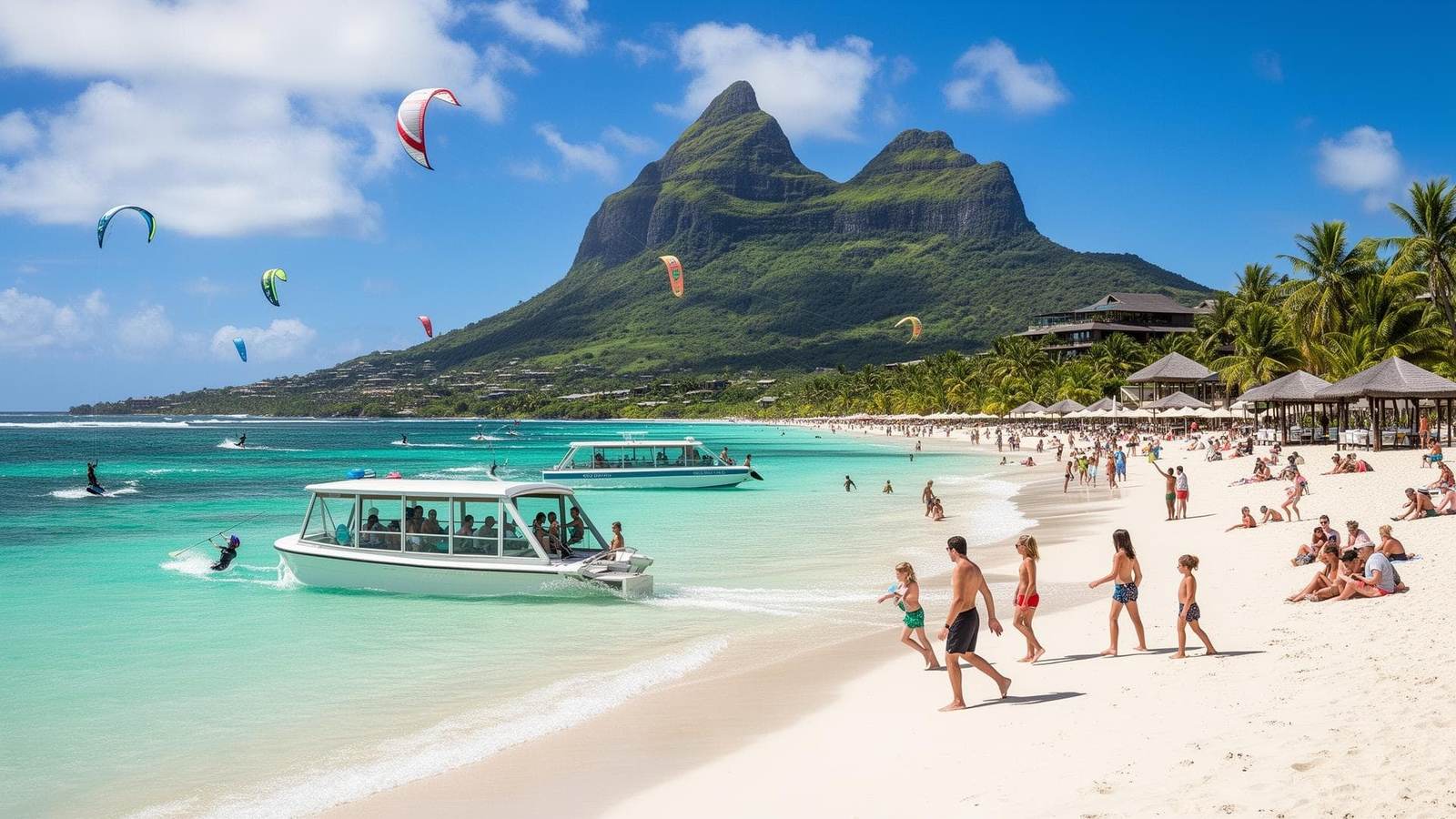
Where dramatic Le Morne Brabant rises from turquoise lagoons, Mauritius blends Creole culture, world-class golf, and the ethereal underwater waterfall illusion that has made it one of the most photographed islands in the Indian Ocean. The Mauritian people are a beautiful tapestry of Indian, African, Chinese, and European heritage, creating one of the world's most harmonious multicultural societies. The Mauritian Rupee offers excellent value: a full Creole lunch costs around €5, a rum tasting at a heritage distillery €10, and even upscale beachfront dining remains far cheaper than comparable Mediterranean destinations. The 'underwater waterfall' near Le Morne — visible from the air — is actually an optical illusion created by sand and silt being drawn off the coastal shelf into the deep ocean, but it looks spectacularly like a cascading abyss beneath the sea. Le Morne Brabant itself is a UNESCO World Heritage site commemorating the runaway slaves who sought refuge on its summit. The island's Chamarel attraction features the Seven Coloured Earths — naturally occurring sand dunes in seven distinct colors that never merge despite rainfall. Kitesurfing conditions at Le Morne are considered among the best in the world. Mosquitoes are present, especially during the warm season (November-April), and occasional dengue outbreaks occur. Mauritius's botanical gardens at Pamplemousses, established in 1770, are among the oldest in the Southern Hemisphere.
Soneva Fushi
Baa Atoll
Conrad Maldives Rangali Island
Rangali Island
One&Only Reethi Rah
North Malé Atoll
해변 그 이상의 여행지를 탐험하고 싶으신가요?