Beach Holidays with Dogs: The Best Dog-Friendly Beaches in Europe
Plan the perfect beach getaway with your furry friend! Discover Europe's top dog-friendly beaches, practical travel tips, and essential etiquette.
Ready to go? Book your stay or plan the perfect trip.
Free cancellation • Best-price guarantee
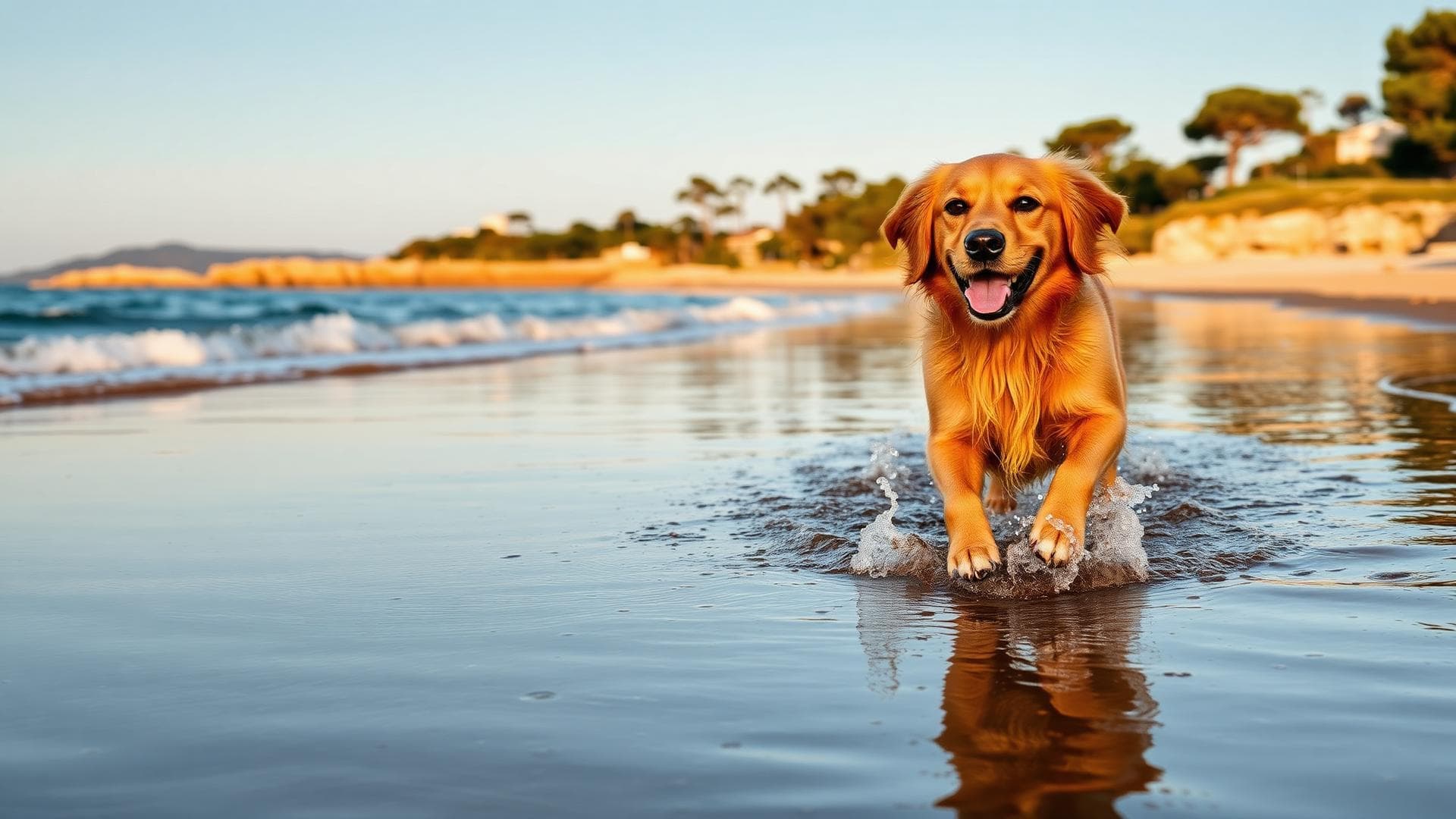
For many of us, dogs are not simply pets; they are family, with wet noses, sandy paws, and a habit of claiming the best spot on the towel. Leaving them behind for a beach holiday can feel unthinkable. Happily, Europe is becoming far more welcoming to canine travellers, with more beautiful beaches setting aside space for well-behaved dogs. As a travel journalist and dog-lover, I’ve tracked down some of the best dog-friendly beaches across the continent, along with the practical details that can make the difference between a frazzled trip and a properly relaxed one. Pack the leash, the frisbee, and perhaps an extra towel.
Europe's Top Dog-Friendly Beaches: A Tail-Wagging Tour
Croatia: Adriatic Adventures for All Paws
Croatia's coastline, all clear water, stone quays, and pine-scented shade, is increasingly appealing for dog owners. Rules still vary from one municipality to another, but many destinations are making room for four-legged beachgoers.
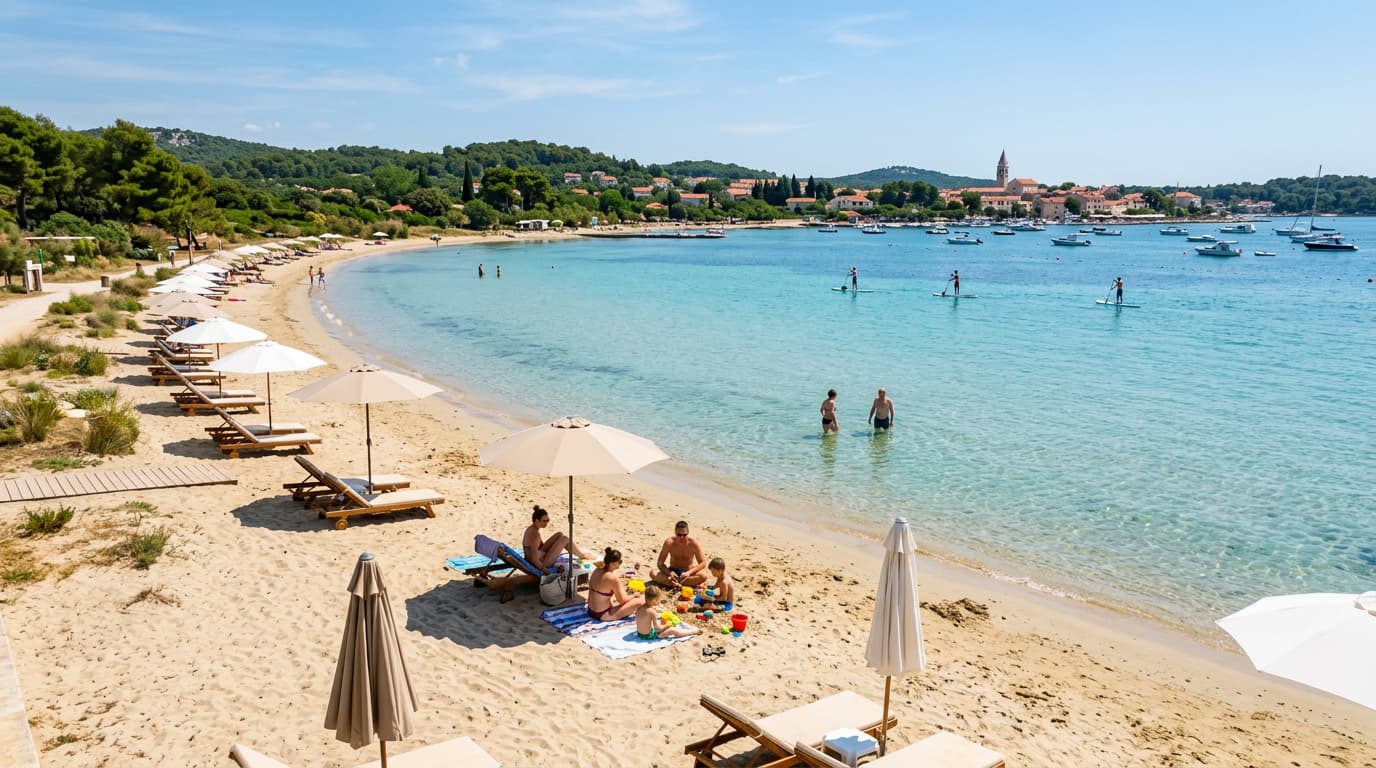
* Bijeca Beach, Medulin, Istria: This popular sandy beach has a designated dog-friendly section. Its shallow, warm waters suit a gentle paddle with your pup, especially if they are not the sort to launch themselves into waves. The surrounding pine forest gives welcome shade for a post-swim snooze.
* Crikvenica, Kvarner Bay: Crikvenica has been ahead of the curve in dog-friendly tourism, thanks to Monty's Dog Beach and Bar – Europe's first beach bar specifically designed for dogs! Here, dogs can swim freely, try dog beer and ice cream, and rinse off after a salty dip. Other designated dog beaches are also available in the area.
Italy: La Dolce Vita for Dogs
Italy's devotion to family often extends to its four-legged members, and dedicated 'Bau Beaches' (dog beaches) are appearing along its long coastline. Expect a mix of practical facilities, beach-club order, and plenty of affectionate fuss from strangers.
📖 You might also like: Top 6 Family-Friendly Beach Destinations
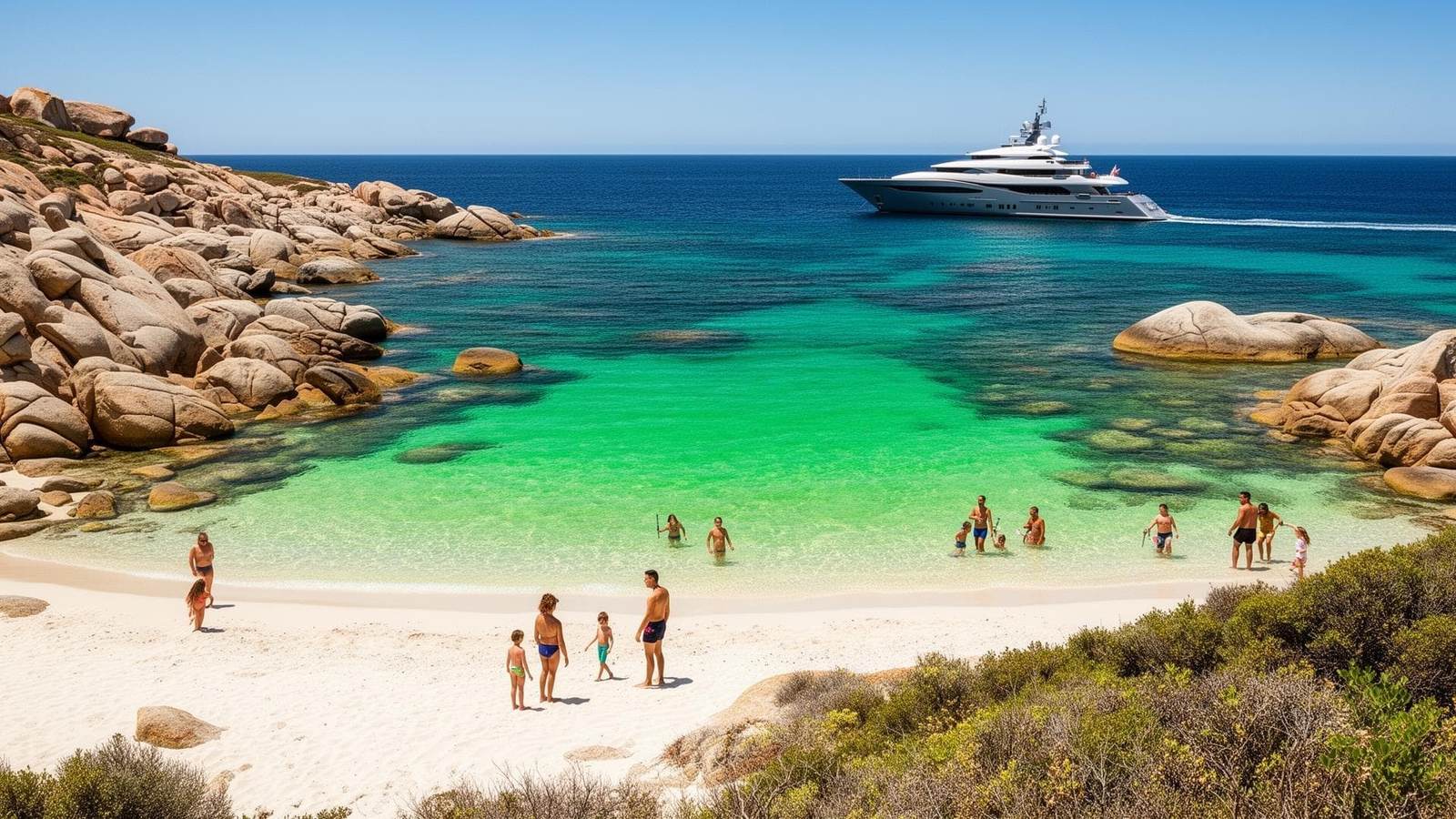
* Sardinia (various locations): This beautiful island has numerous dog-friendly options. Porto Fido near Santa Teresa Gallura is a well-equipped beach with sunbeds and water bowls for dogs. Many other beaches, particularly outside peak hours or within designated sections, welcome dogs. Always look for signage or ask locally before settling in.
* Puglia (various locations): The 'heel' of Italy also has several excellent dog beaches. Santos Baubeach in Salento is a well-regarded option, with amenities and enough room for dogs to run, dig, and play. Many lidos (private beach clubs) now have 'Bau Suites' or designated areas.
France: Chic Shores for Canines
France has a wonderfully varied coastline, from long northern strands to rocky Atlantic coves. Rules can be stricter in some places, but many regions are welcoming to dogs, especially outside the busiest summer weeks.
* Normandy (e.g., Le Touquet-Paris-Plage, designated areas): The broad, often windswept beaches of Normandy and Picardy tend to be more dog-friendly, particularly in the off-season. Some towns, including Le Touquet, allow dogs on specific sections or during certain hours along their huge sandy stretches.
* Brittany (numerous wild beaches): With its rugged coast and untamed feel, Brittany has many non-supervised beaches where dogs are often welcome year-round, as long as they are kept under control. Check local signage each time, since rules can change with the season.
Spain: Sun, Sand, and 'Perros'
Spain has seen a significant rise in dog-friendly beaches in recent years, especially along the Mediterranean coast and on the larger islands. Look out for municipal facilities, clear signs, and the phrase every travelling dog owner likes to see.
* Costa Brava, Catalonia (e.g., L’Estartit, Playa de les Barques): The Costa Brava region is especially progressive. L'Estartit has a designated dog beach, and many smaller coves along the coast permit dogs. Watch for 'Playa Canina' or similar signs before letting your dog onto the sand.
* Valencian Community (e.g., Playa de Pinedo, Valencia): This region has invested heavily in dog-friendly tourism, with many excellent municipal dog beaches complete with facilities.
Portugal: Coastal Charms for Companions
Portugal's Atlantic coast has traditionally been more restrictive, but more municipalities are now introducing dog-friendly beaches, particularly in less developed areas. The reward is often big skies, rolling surf, and plenty of space.
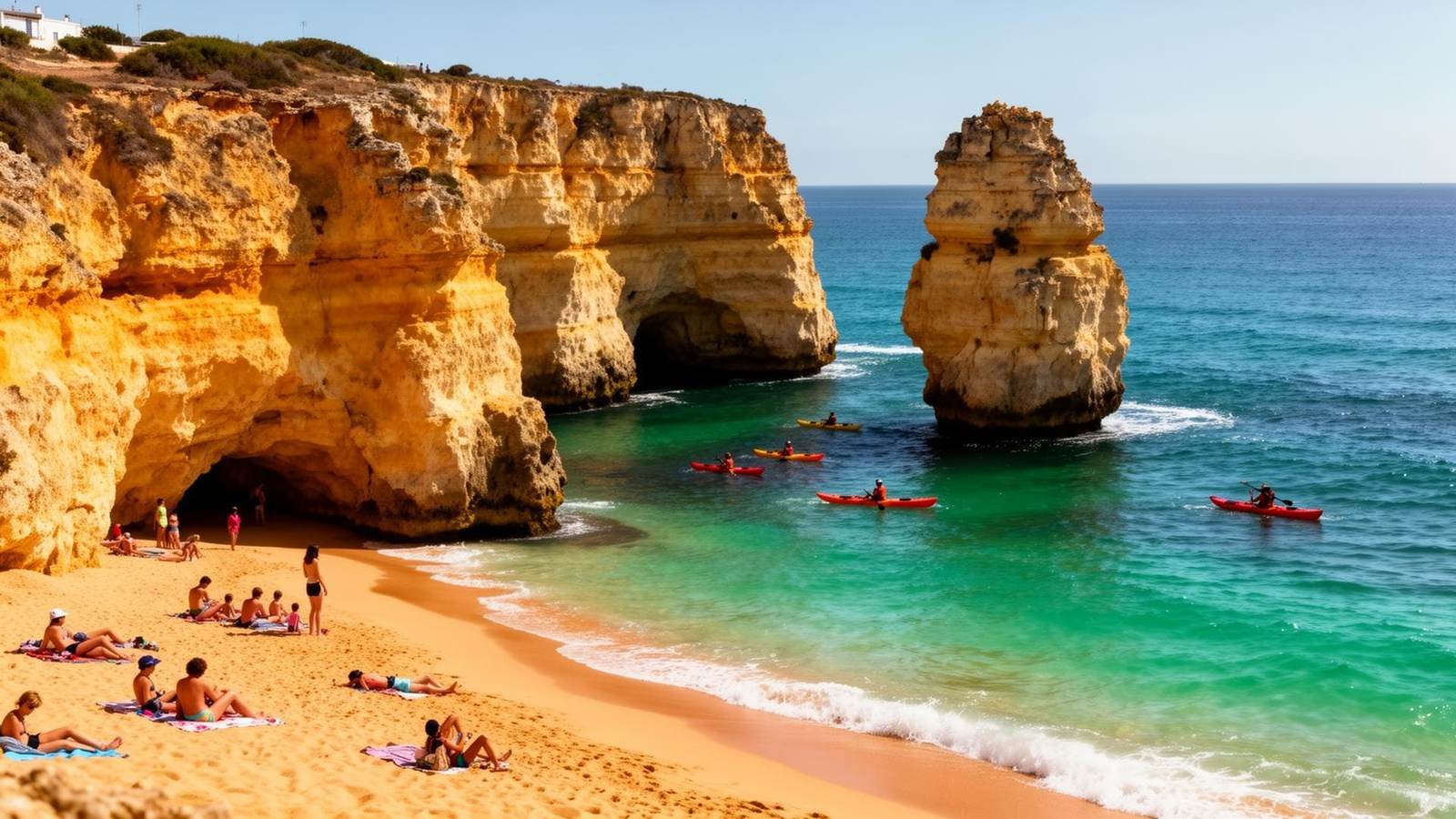
* Algarve (various 'Praias para Cães'): While not as abundant as in Spain or Italy, the Algarve now has several designated dog beaches, often marked as 'Praia para Cães.' These include parts of Praia do Barranco das Canas (Portimão) and Meia Praia (Lagos) in the off-season. Always confirm local regulations before you go.
Greece: Island Hopping with Hounds
Greece, with its thousands of islands and vast coastline, gives dog owners plenty of possibilities, especially on quieter or less organized beaches. The trick is often to skip the busiest serviced beaches and seek out natural, low-key spots.
* Quiet Islands and Unorganized Beaches: On many Greek islands, especially away from the main tourist hubs, dogs are generally tolerated on unorganized beaches (those without sunbeds or facilities). Islands like Astypalea, Folegandros, or Anafi often have more relaxed attitudes. Be considerate, keep your dog on a leash if needed, and clean up thoroughly.
Practical Tips for a Paw-fect EU Beach Holiday
1. The EU Pet Passport: Your Dog's Ticket to Ride
This is essential for travel within the EU. Make sure your dog is:
* Microchipped: ISO Standard 11784/11785.
* Vaccinated against Rabies: The vaccination must be valid AND administered *after* the microchip was implanted. There is usually a waiting period (e.g., 21 days) after the primary vaccination before travel is permitted.
* Up-to-date on other vaccinations: While not always mandatory for entry, it is sensible for your dog's health.
* Treated for Tapeworm (Echinococcus multilocularis): Required for entry into some countries (e.g., Ireland, Finland, Malta, Norway). This must be administered by a vet 1-5 days before entry. Check specific country requirements.
2. Travel Rules and Regulations
* Airline/Ferry Policies: Different carriers have different rules on pets in cabins vs. cargo, crate requirements, and fees. Book well in advance. Some low-cost airlines do not permit pets at all.
* Car Travel: Ensure your dog is safely secured in a harness, crate, or carrier. Plan regular stops for toilet breaks and water.
* Public Transport: Rules vary widely. In some cities, small dogs in carriers are accepted; in others, no dogs are permitted.
3. Best Seasons for Dog-Friendly Beach Trips
* Shoulder Seasons (April-May & September-October): These are generally the best times. The weather is more comfortable for both humans and dogs, beaches are less crowded, and many seasonal restrictions on dog access are lifted.
* Avoid Peak Summer (July-August): Many popular beaches enforce strict 'no dog' rules during these months because of high tourist numbers. Heat can also be dangerous for dogs, particularly those with thick coats or brachycephalic (flat) faces.
4. What to Pack for Your Canine Companion
* EU Pet Passport & Vet Records: Always keep these within easy reach.
* Plenty of Water & Portable Bowl: Essential, especially in warm weather.
* Leash(es) & Harness/Collar: A long training leash can be useful for safe play.
* Poop Bags: Lots of them! Always clean up after your dog.
* Dog Food: Enough for the trip, plus any treats or supplements.
* Favorite Toys: To keep them entertained.
* Dog Towel: For drying off sandy paws.
* Dog-Safe Sunscreen: Yes, dogs can get sunburned, especially on noses and thin-furred areas.
* Dog First-Aid Kit: Antiseptic wipes, paw balm, tick remover, bandages.
* Shade Tent/Umbrella: If your destination lacks natural shade.
* Life Vest: If your dog will be joining you for water activities.
5. Beach Etiquette with Dogs
* Always Check Rules: Look for signage; if unsure, ask a local or tourist information center.
* Keep Control: Even on off-leash beaches, make sure your dog responds to commands. Not everyone loves dogs.
* Scoop the Poop: It goes without saying. Responsible ownership is key to keeping beach access open to dogs.
* Respect Wildlife: Keep dogs away from nesting birds or other protected wildlife areas.
* Supervise Swimming: Not all dogs are natural swimmers. Watch for currents and waves.
* Rinse Off: Saltwater and sand can irritate skin and coats. Rinse your dog with fresh water after beach visits.
6. Accommodation Tips
* Book Dog-Friendly Stays: Always confirm 'pet-friendly' policies. Some charge extra fees, have size/breed restrictions, or limit the number of dogs.
* Look for Rentals with Gardens: A fenced garden can be a real bonus for your dog.
* Consider Campsites: Many campsites are very welcoming to dogs and are often close to natural areas with beach access.
Travelling with your dog to Europe's beaches can be deeply rewarding: morning walks along empty sand, a swim before lunch, a tired companion sleeping under the table by dinner. With a little planning and these guidelines in mind, you can keep the trip safe, relaxed, and full of the kind of memories that come with sandy paws and a wagging tail. Happy travels!
Plan your Algarve Golden Cliffs adventure
Hotels, flights and cars — all in one place.
Free cancellation • Best-price guarantee
Related Activities
Related Destinations
Algarve Golden Cliffs
From $190/night
Sardinia Costa Smeralda
From $450/night
Bijeca Beach
From $75/night