"Worth the detour. Bring water shoes — pebbles in places."
HB
Henrik B.
·2 months ago
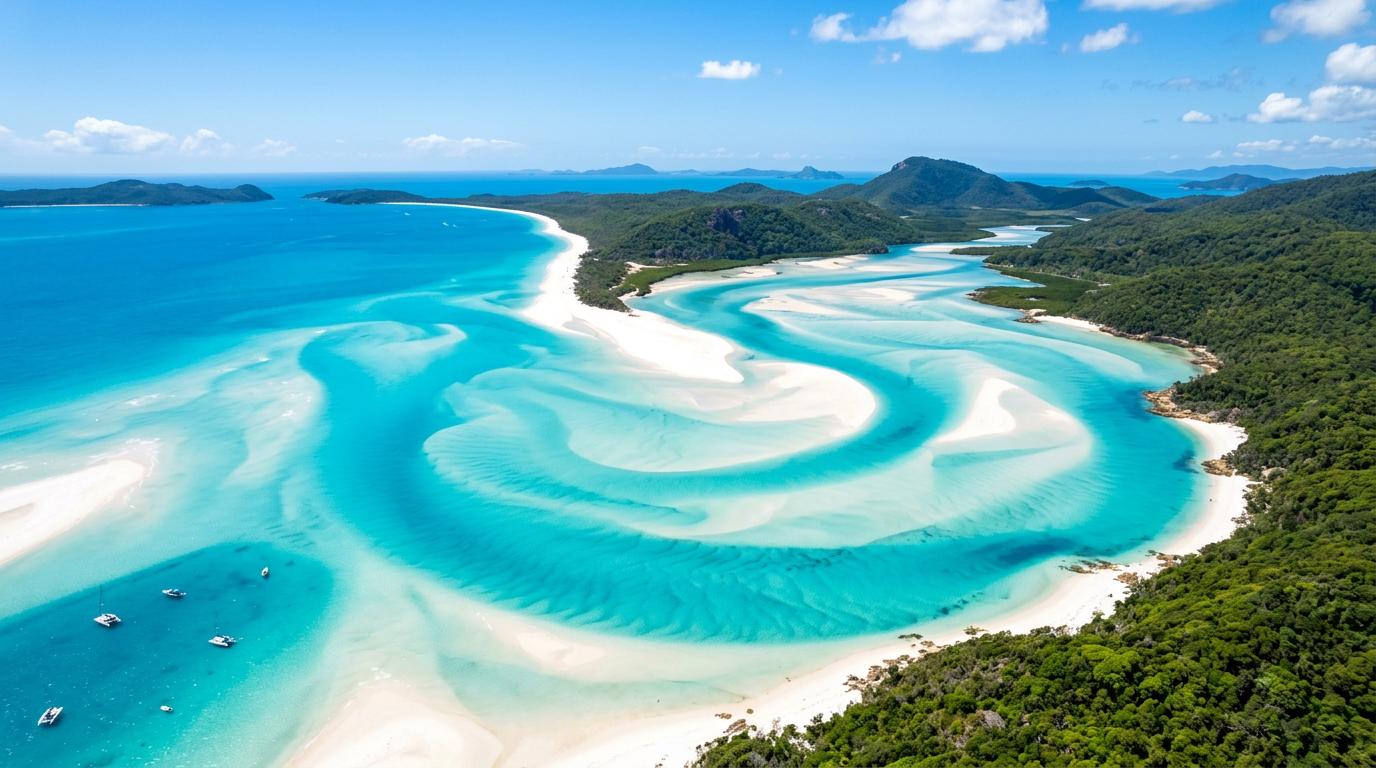
Whitehaven Beach, a 7-kilometer ribbon on Whitsunday Island, sits in the Great Barrier Reef’s heart. Consistently, it ranks as one of Earth’s most beautiful beaches. The sand is 98% pure silica. This means it’s so fine and white that it never gets hot. Walk barefoot, even under the midday sun.
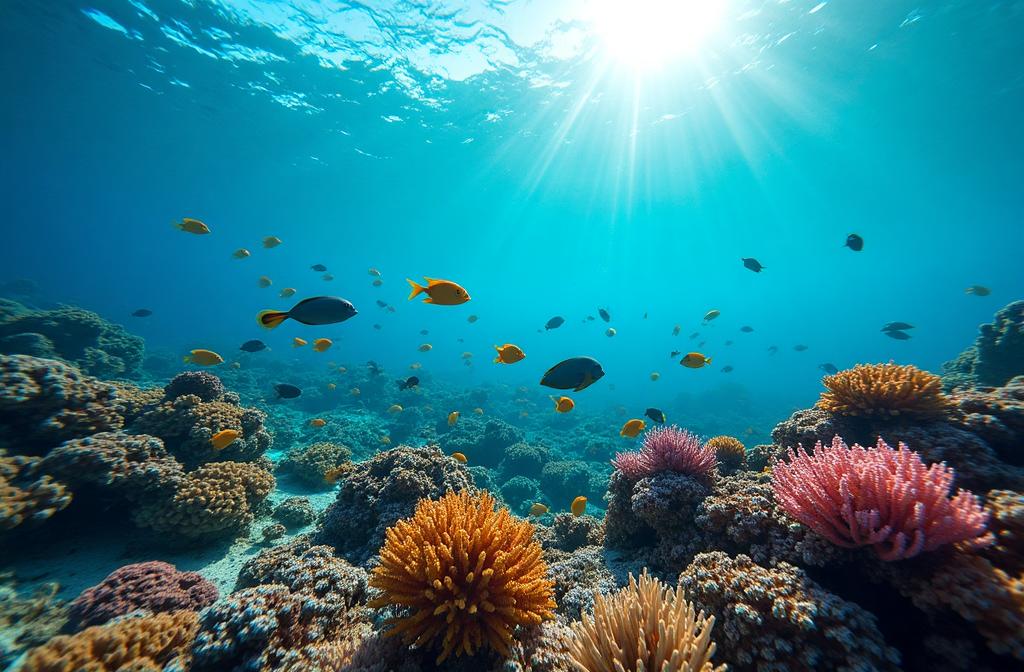
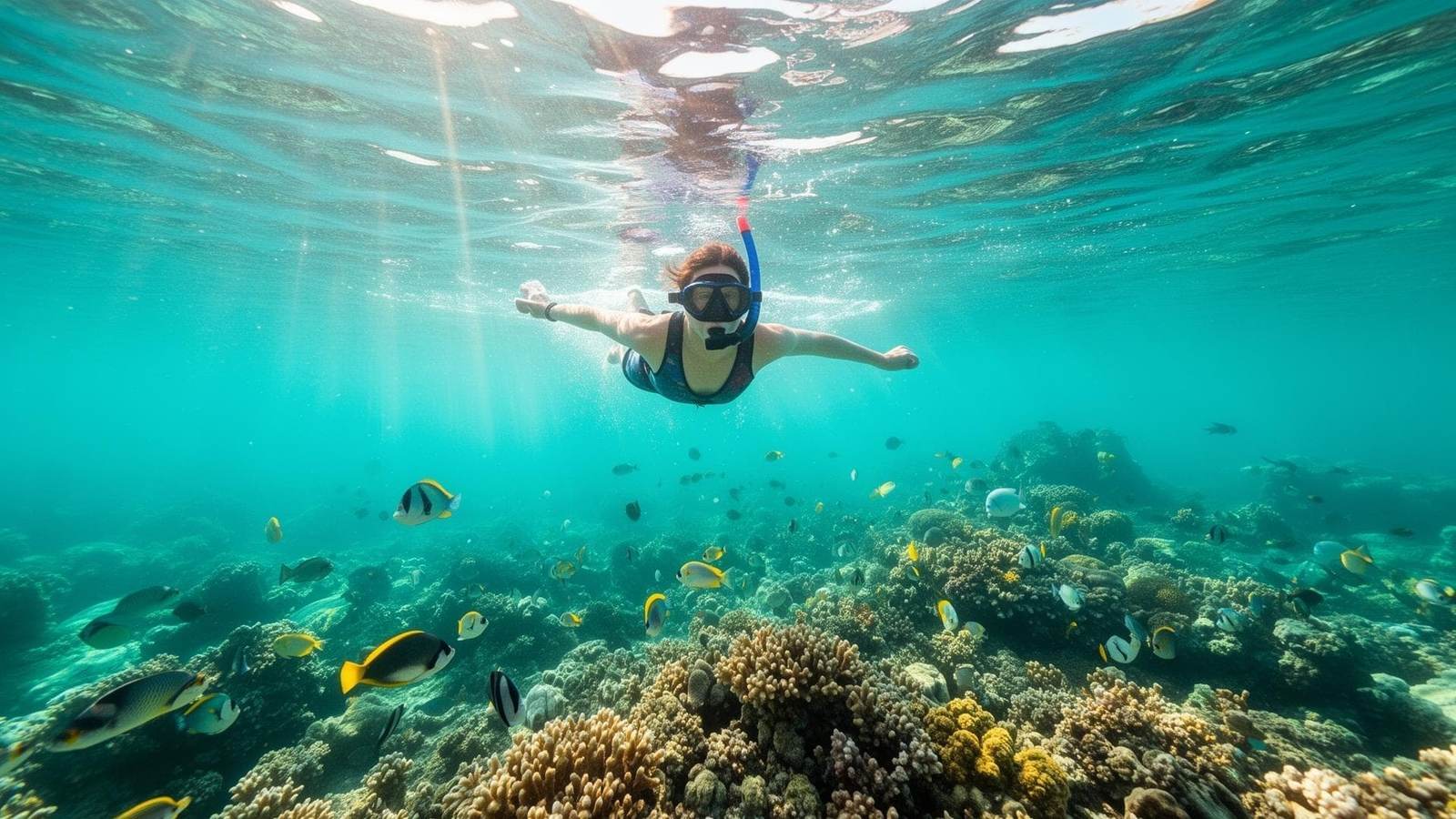
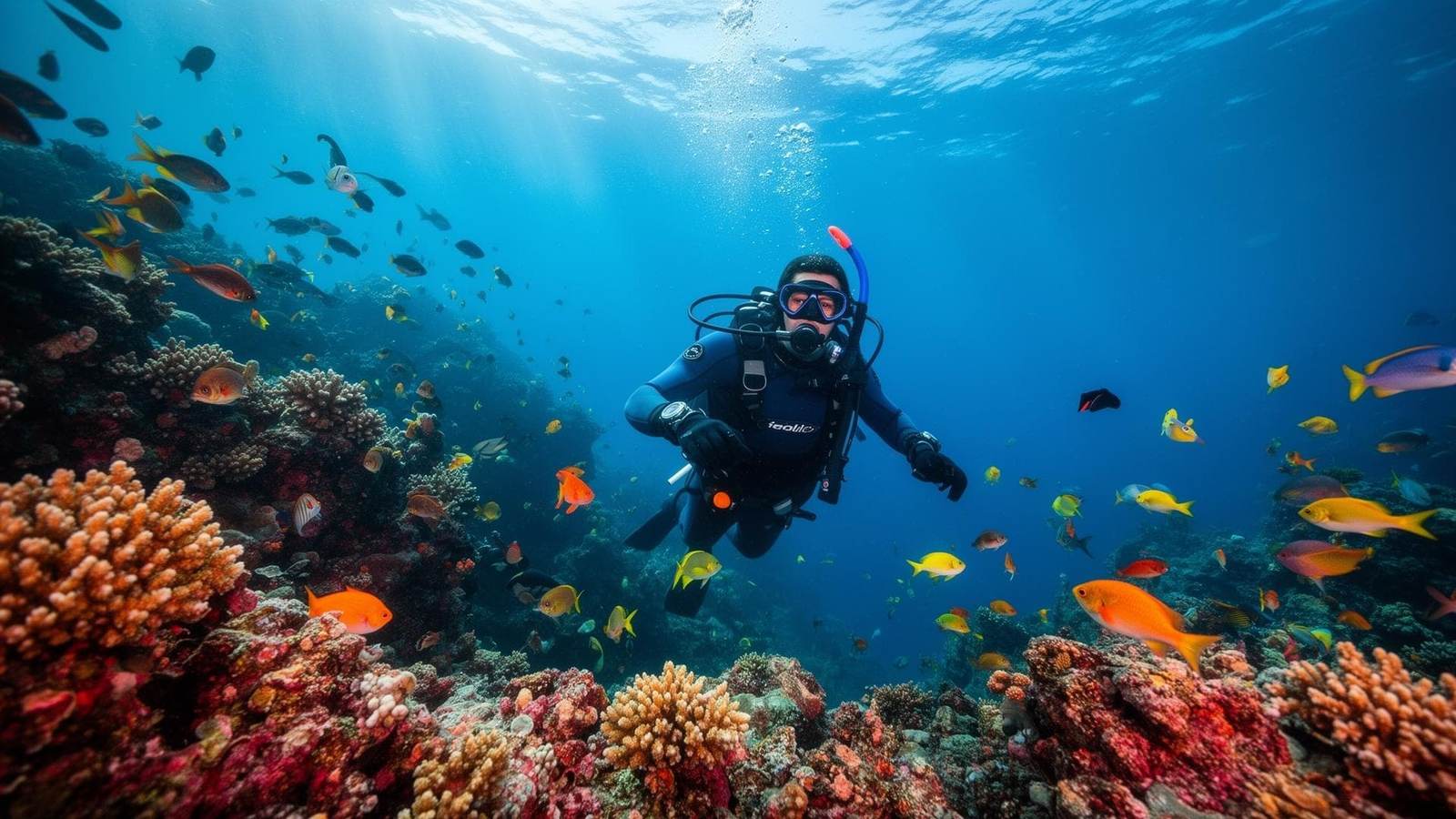
At Hill Inlet, the turning tide sculpts the sand and turquoise water into swirling patterns. From the lookout above, these create an ever-shifting natural spectacle. The beach lies within the Great Barrier Reef Marine Park. Its waters are alive with sea turtles, reef sharks, and electric coral.
Reaching Whitehaven requires a boat, seaplane, or helicopter from Airlie Beach. This makes it feel wonderfully remote. You won’t find permanent structures here. No hotels, no restaurants. Just pure, untouched nature, raw and spectacular. The Indigenous Ngaro people have called the Whitsunday Islands home for over 8,000 years. Their ancient sea trails and rock art sites layer deep cultural history onto this natural wonder.
Max Temp
31°C
Min Temp
15°C
Avg Sun
8h/d
Avg Rain
6d/mo
Best time to travel: Sep, Oct, Nov
Jan
31°
24°
Feb
31°
24°
Mar
30°
23°
Apr
28°
21°
May
26°
18°
Jun
24°
16°
Jul
24°
15°
Aug
25°
16°
Sep
27°
18°
Oct
29°
20°
Nov
30°
22°
Dec
31°
24°
Dazzling
24–28°C
AQI 10–20
0.3–0.8m
Nearest hotel
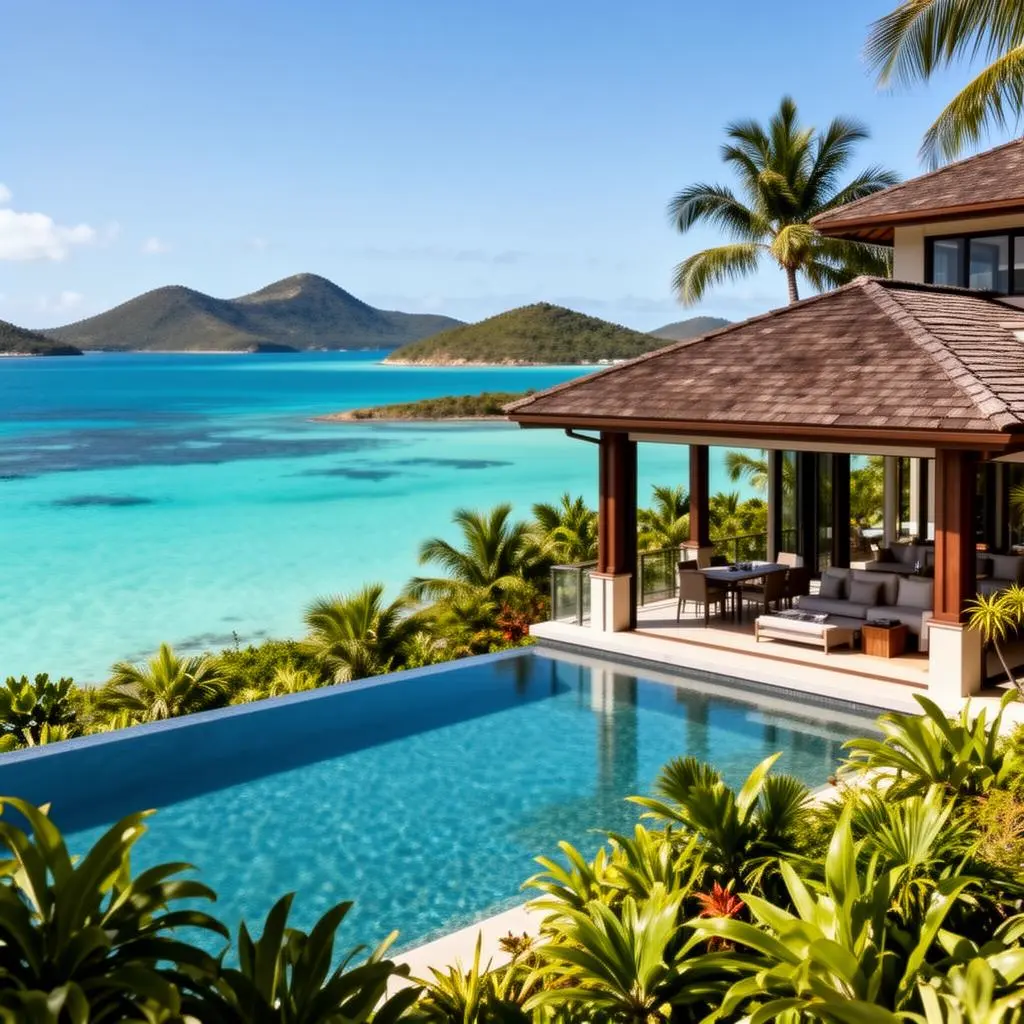
qualia
Hamilton Island
From $500/night
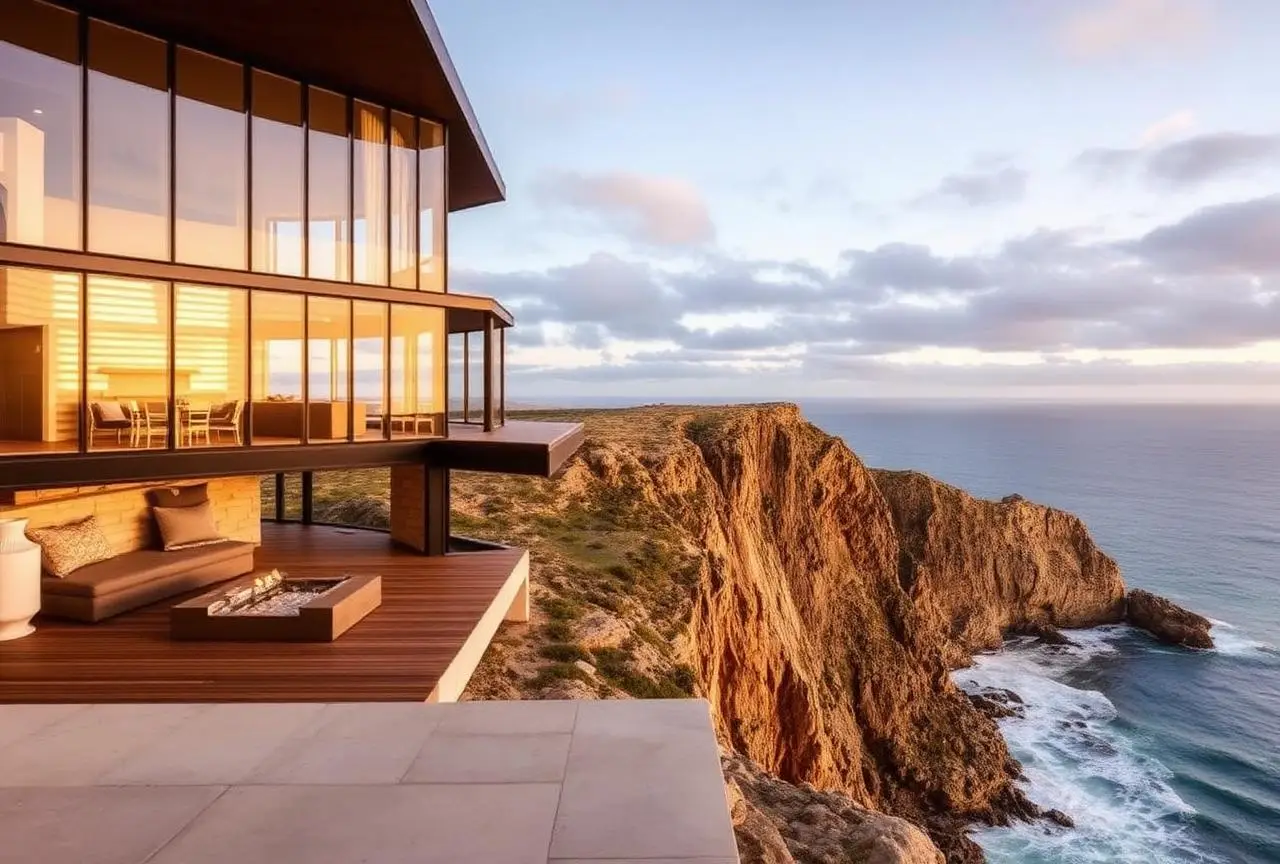
Southern Ocean Lodge
Kangaroo Island
From $600/night
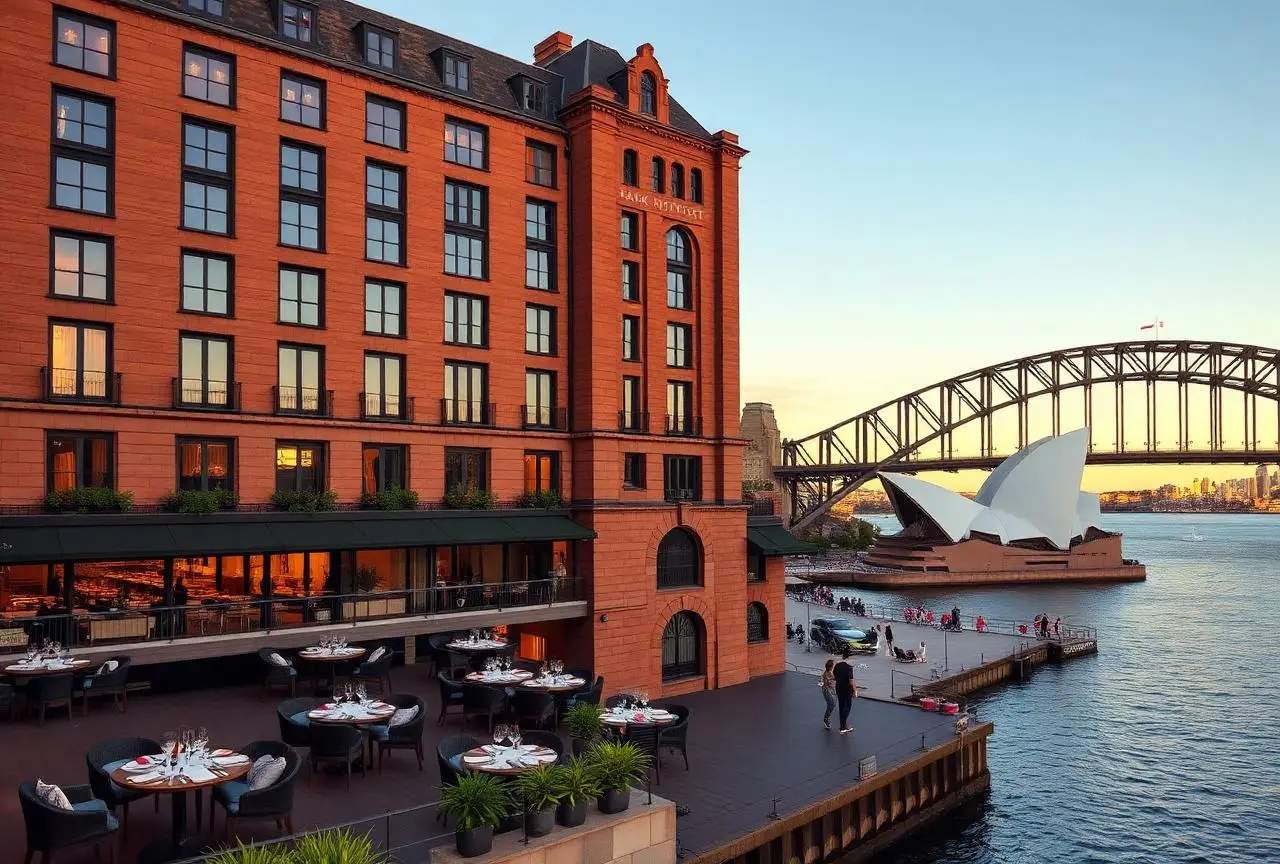
Park Hyatt Sydney
The Rocks
From $450/night
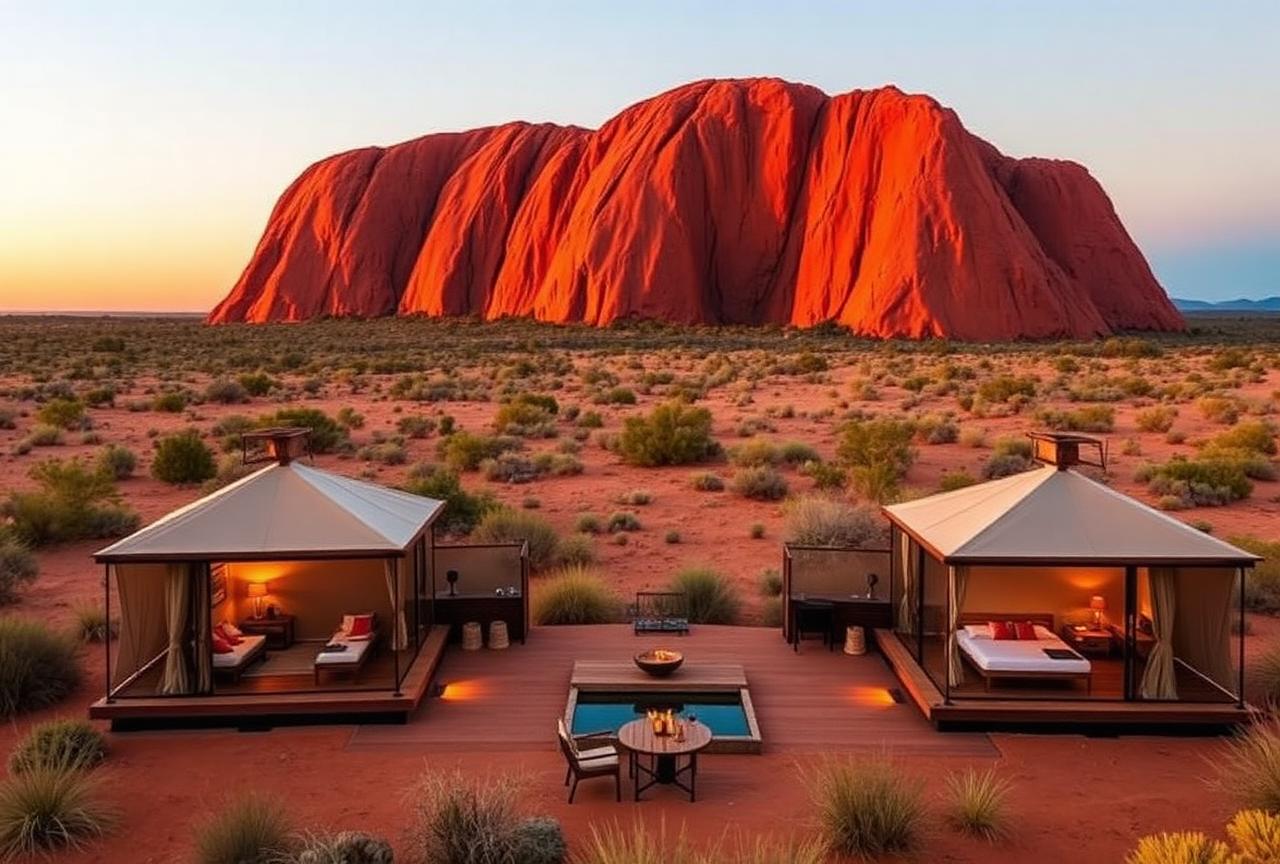
Longitude 131°
Uluru-Kata Tjuta
From $750/night
"Worth the detour. Bring water shoes — pebbles in places."
Henrik B.
🏛️ Landmarks
⚓ Coastal Cities
Whitehaven Beach's fame comes from its sand: 98% pure silica. It's so incredibly fine and white, you can walk barefoot even on the hottest days because it doesn't absorb heat. Plus, it actually squeaks beneath your feet. Up at Hill Inlet, the tide paints swirling, temporary masterpieces where the sand and water meet.
Absolutely. Whitehaven Beach offers a campground, though you'll need a permit from QPWS. For something a little more plush, consider a sailing charter; sleep on deck under the stars. Day trips from Airlie Beach are another popular choice. Some private islands even offer glamping, complete with proper beds and air conditioning.
Box jellyfish are around October through May. During stinger season, you'll need a full-body stinger suit; most tour operators provide these for free. If you're nervous, opt for outer reef snorkeling, which is stinger-free all year. Otherwise, plan your trip for June to September — totally clear.
Absolutely. Heart Reef, within Hardy Reef, is a naturally occurring, heart-shaped coral wonder. This spot has become one of Australia’s most recognizable symbols. You can see it up close via a scenic helicopter or seaplane. Remember, no snorkeling or diving is allowed directly at Heart Reef; it's all about preservation.
Getting to the Whitsundays is straightforward: Fly into Proserpine (Whitsunday Coast Airport) or Hamilton Island directly. Airlie Beach acts as the primary launchpad, buzzing with operators offering sailboat excursions, day trips, and scenic flights over the turquoise water. Reaching Whitehaven Beach usually means a boat tour, typically lasting two to six hours.
Exploring the Whitsundays? Consider a multi-day sailing trip; expect to pay AUD 400-800 for 2-3 nights on the water. Day trips to Whitehaven Beach and Hamilton Island are another option, running about AUD 150-250. You'll want to see the swirling sands of Hill Inlet from above. Scenic flights deliver incredible reef and island panoramas, typically AUD 250-400. If you’re a seasoned sailor, bareboat charters offer total freedom.
Visit the Whitsundays during the dry season, May to December, for consistently clear skies and low humidity. Temperatures hover around 22-27°C – perfect. Sure, marine stingers mean stinger suits are a year-round recommendation, but the "stinger season" usually runs October to May. If you're heading there in peak months, book everything well in advance.
Read more about this destination
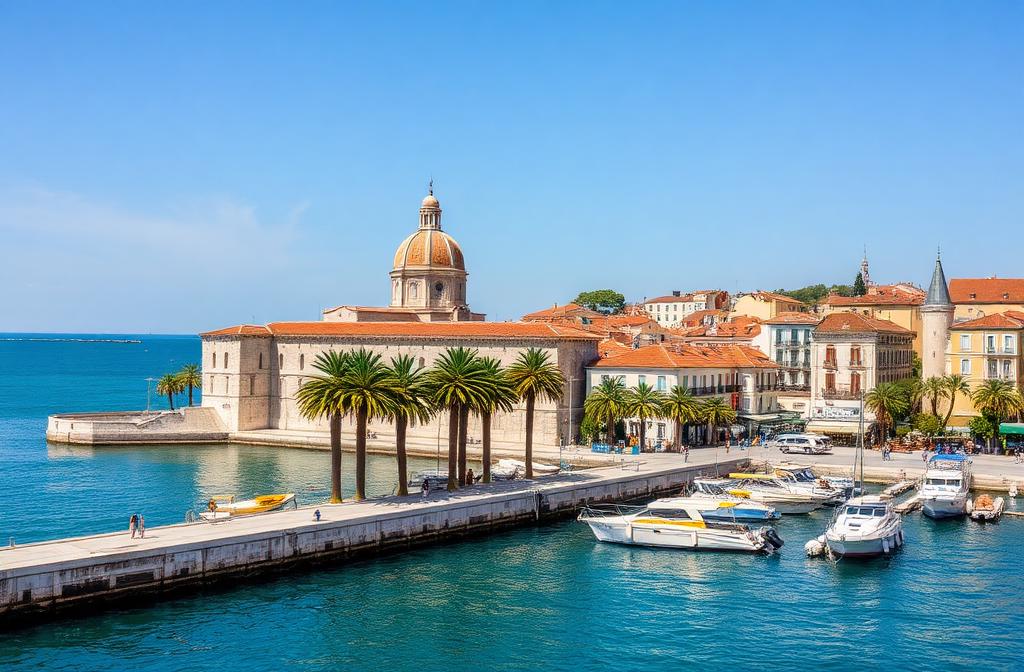
From $160/night
From $450/night
From $290/night
From $150/night