"Took the kids (6 and 9) — shallow entry, no big waves, exactly what we needed. Renting two loungers was around €25 which felt steep but we did it anyway."
PS
Priya S.
·3 months ago
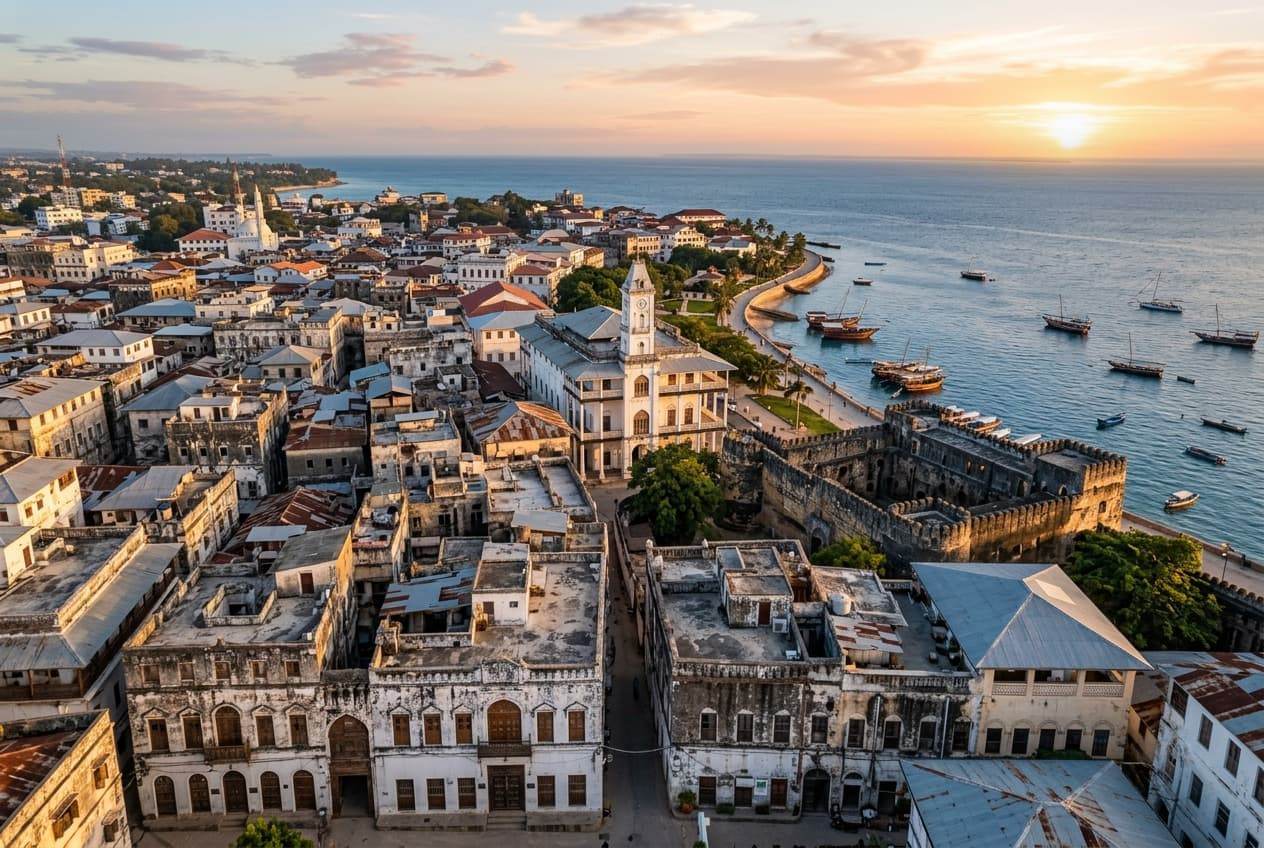
Stone Town – Mji Mkongwe in Swahili – is the historic core of Zanzibar City, recognized as a UNESCO World Heritage Site since 2000. This waterfront city, a true maze, showcases one of the planet's most remarkable cultural blends: a millennium of Swahili, Arabic, Persian, Indian, and European influences. You see it in coral-stone palaces, in more than 500 intricately carved wooden doors each telling a story, in lively bazaars, and in narrow, winding alleys barely wide enough for a single donkey cart.
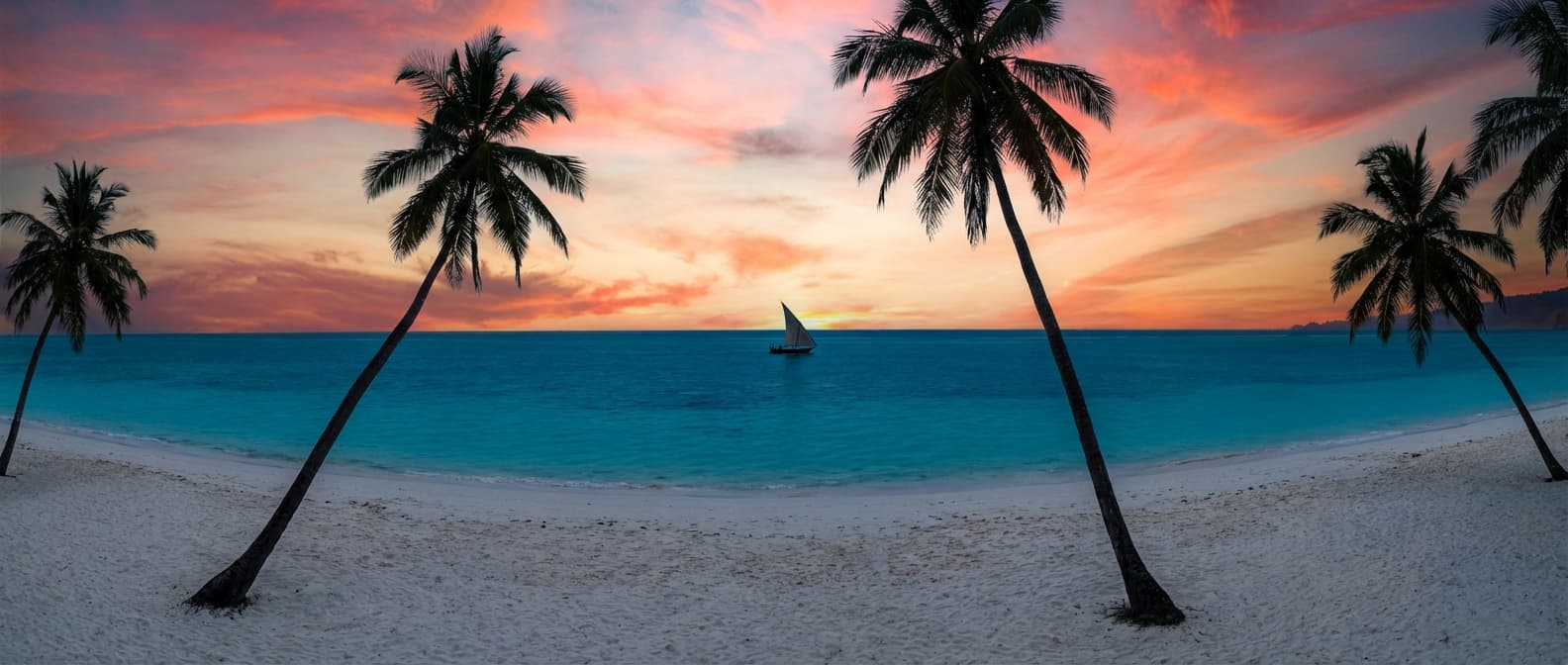
Life along the water moves to its own beat. Dhow boats slip by at dusk, their triangular sails dark against the sky. Forodhani Gardens, as night falls, transforms into an iconic open-air food market. Here, vendors expertly grill octopus and lobster over hot coals, alongside sweet or savory Zanzibar pizza. The muezzin’s call drifts across the rooftops, pulling you into the moment.
Essential stops include the House of Wonders (Beit el-Ajaib), the Old Fort (Ngome Kongwe), and the Anglican Cathedral, built on the solemn grounds of a former slave market. Don't miss the Sultan's Palace Museum or the house where Freddie Mercury was born. Stone Town demands exploration on foot; getting turned around in its lanes isn't a problem, it’s the point. Each unexpected corner reveals a quiet courtyard, a pungent spice stall selling vanilla pods and cloves, or an archway standing since the 17th century.
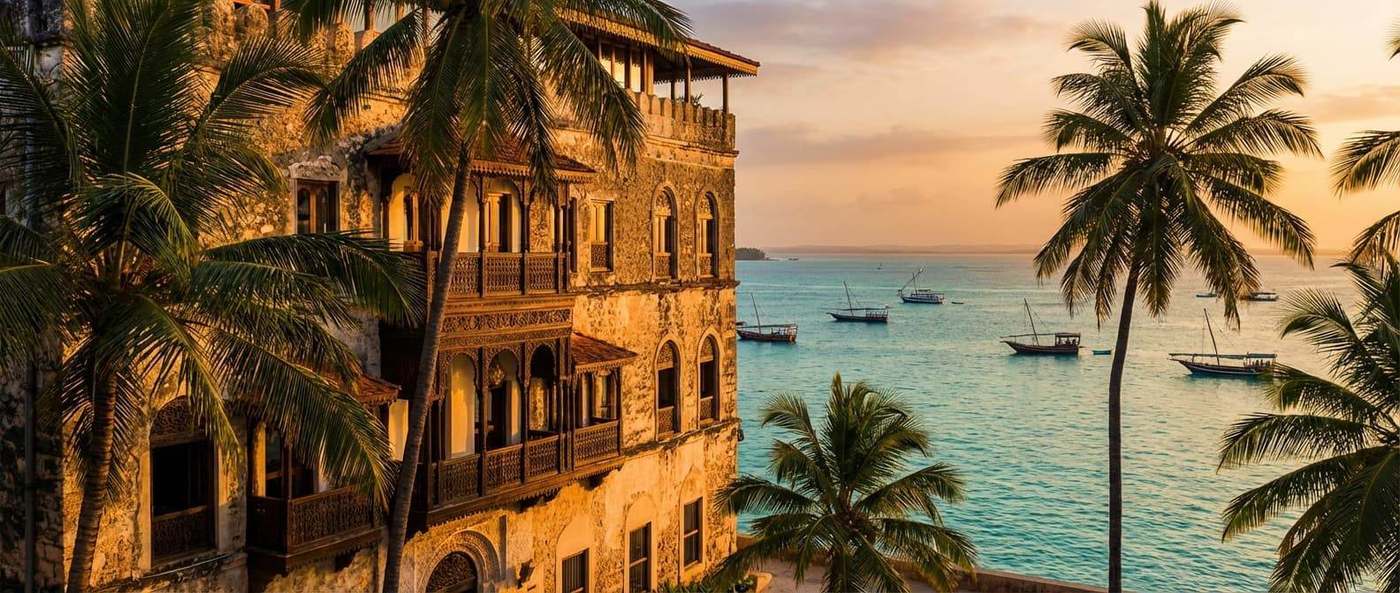
Park Hyatt Zanzibar
Stone Town
From $260/night
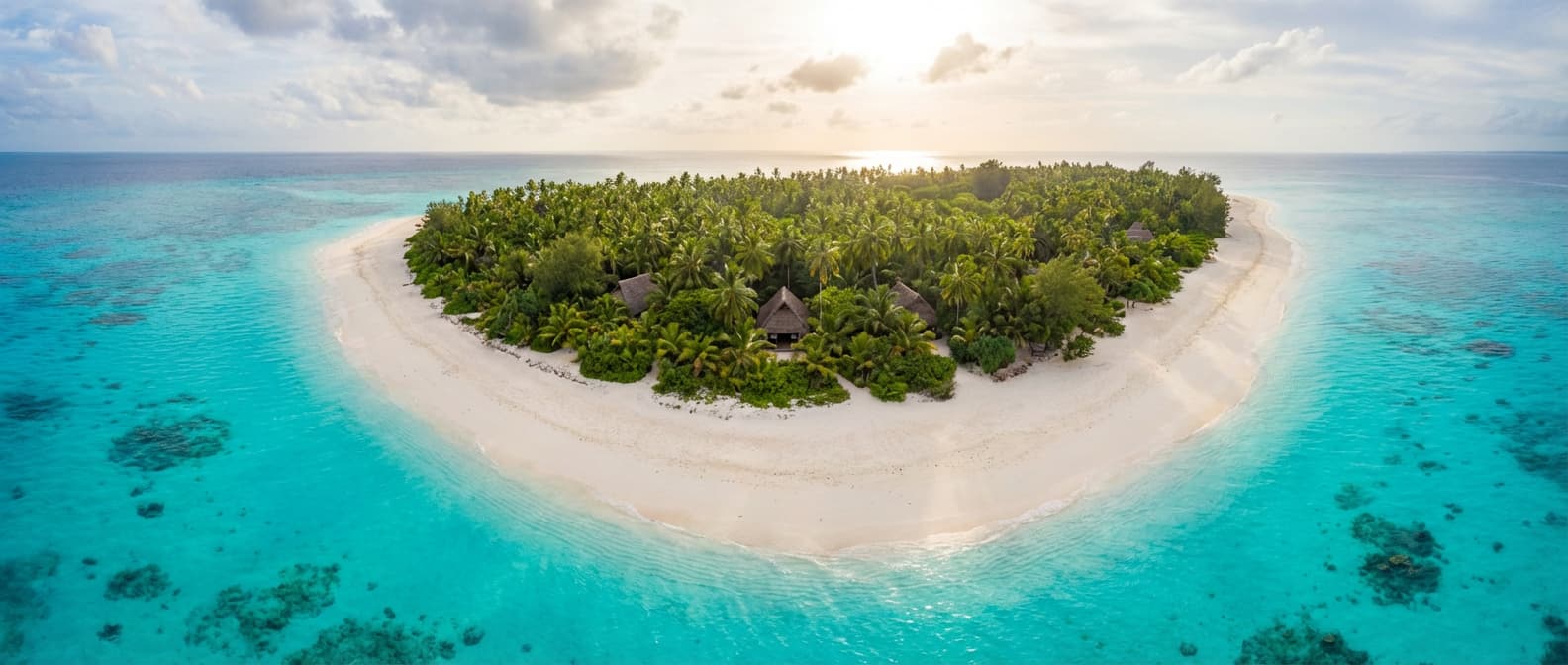
&Beyond Mnemba Island
Mnemba Island
From $1200/night
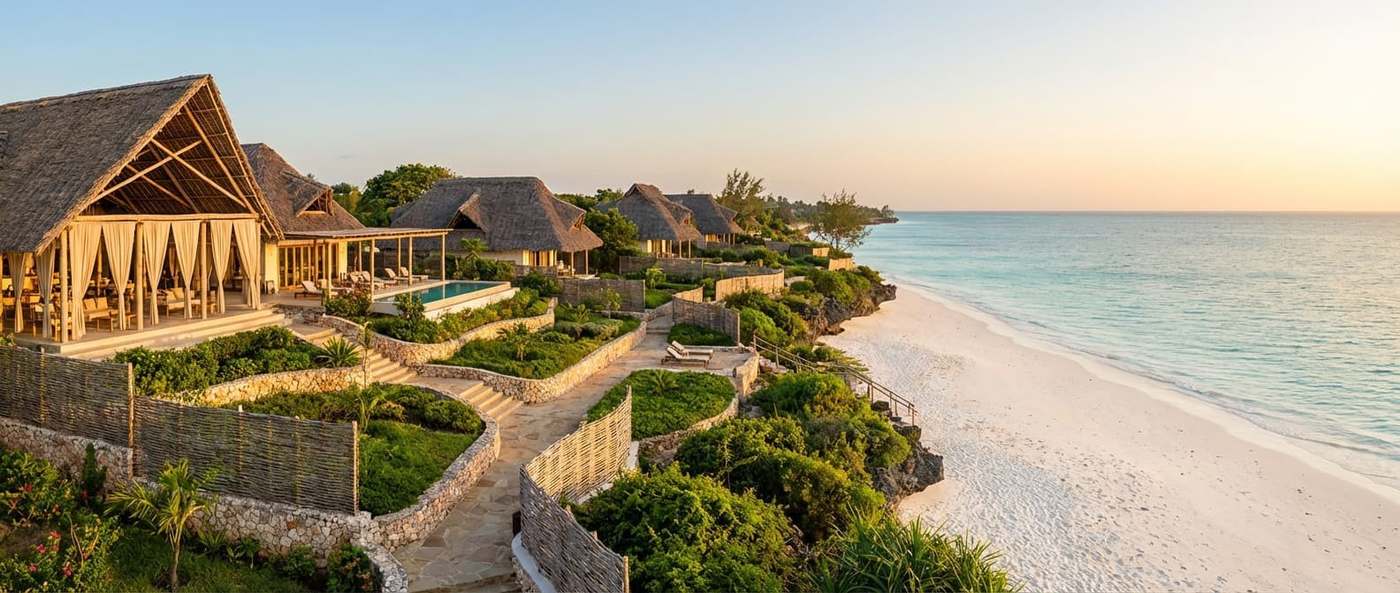
Zuri Zanzibar
Kendwa Beach
From $390/night
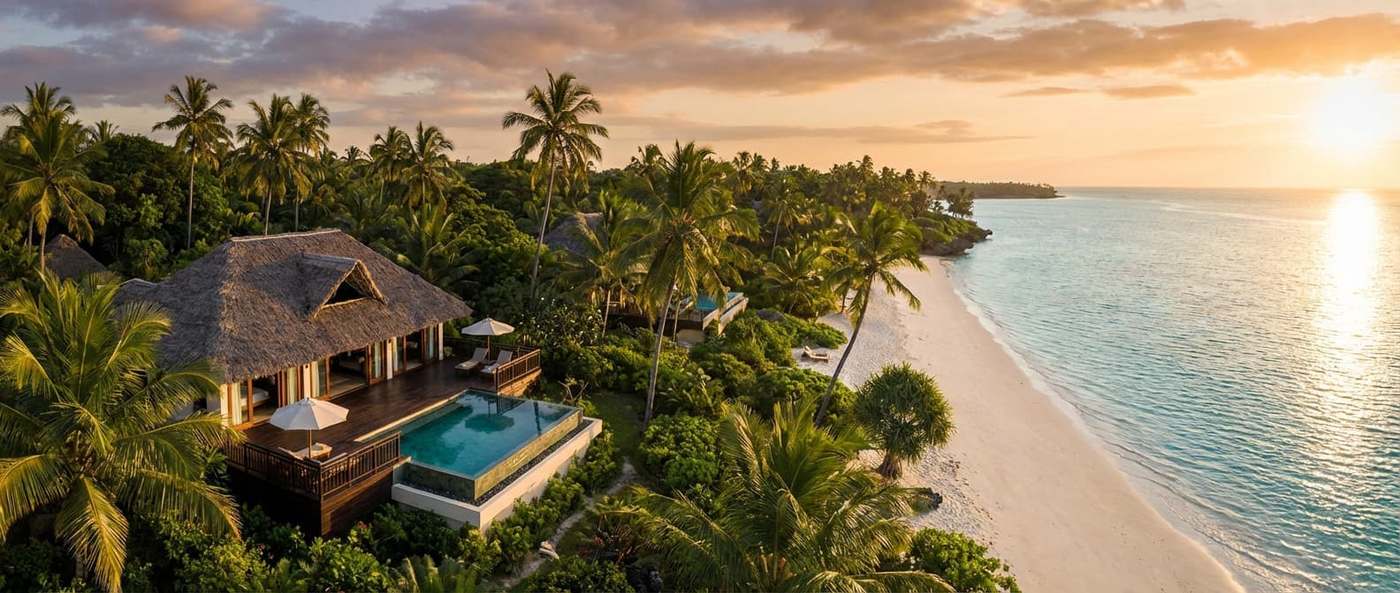
The Residence Zanzibar
Kizimkazi
From $350/night
"Took the kids (6 and 9) — shallow entry, no big waves, exactly what we needed. Renting two loungers was around €25 which felt steep but we did it anyway."
Priya S.
Stone Town earned its UNESCO World Heritage status in 2000 as a prime example of a Swahili coastal trading hub. Wandering its narrow alleys, you'll see coral-stone houses, over 500 intricately carved wooden doors, lively bazaars, and old palaces. This all reflects a millennium of cultural blending, a vibrant mix of African, Arabian, Indian, and European influences.
Don’t miss Stone Town’s essential stops. See the grand House of Wonders, the Old Fort (Ngome Kongwe), and the Anglican Cathedral, which stands on a former slave market site. At dusk, Forodhani Gardens sizzles with street food stalls. Explore the Sultan's Palace Museum, Freddie Mercury’s childhood home, and Darajani Bazaar, where the scent of cloves and cinnamon hangs heavy.
Two nights in Stone Town is ideal for soaking up the culture before heading to a beach. You can hit the main sights in half a day. But to truly experience it—sunset dhow rides, dinner at Forodhani Gardens, a guided spice tour that explains cardamom's journey—a longer stay is well worth it.
Stone Town feels safe and friendly. Its narrow alleys are a maze – embrace getting lost, that’s half the fun. Dress respectfully; it’s a Muslim community. Avoid solo walks at night. After dark, always use a registered taxi.
Visit Stone Town between June and October. That’s when the weather’s driest and coolest, perfect for walking the labyrinthine streets. Steer clear of the long rains, mid-March through May. February hosts the Sauti za Busara festival, drawing crowds for African music. In July, catch the Zanzibar International Film Festival.
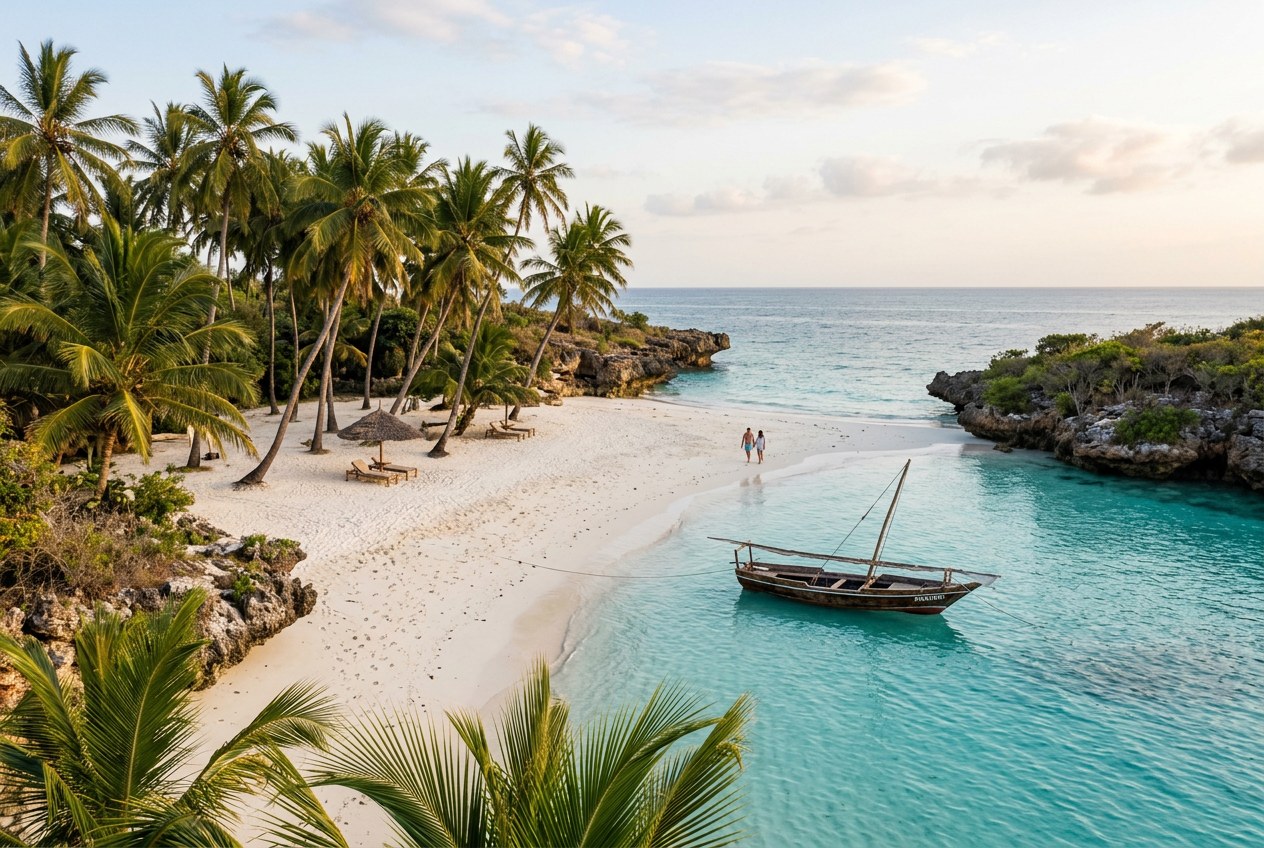
From $240/night
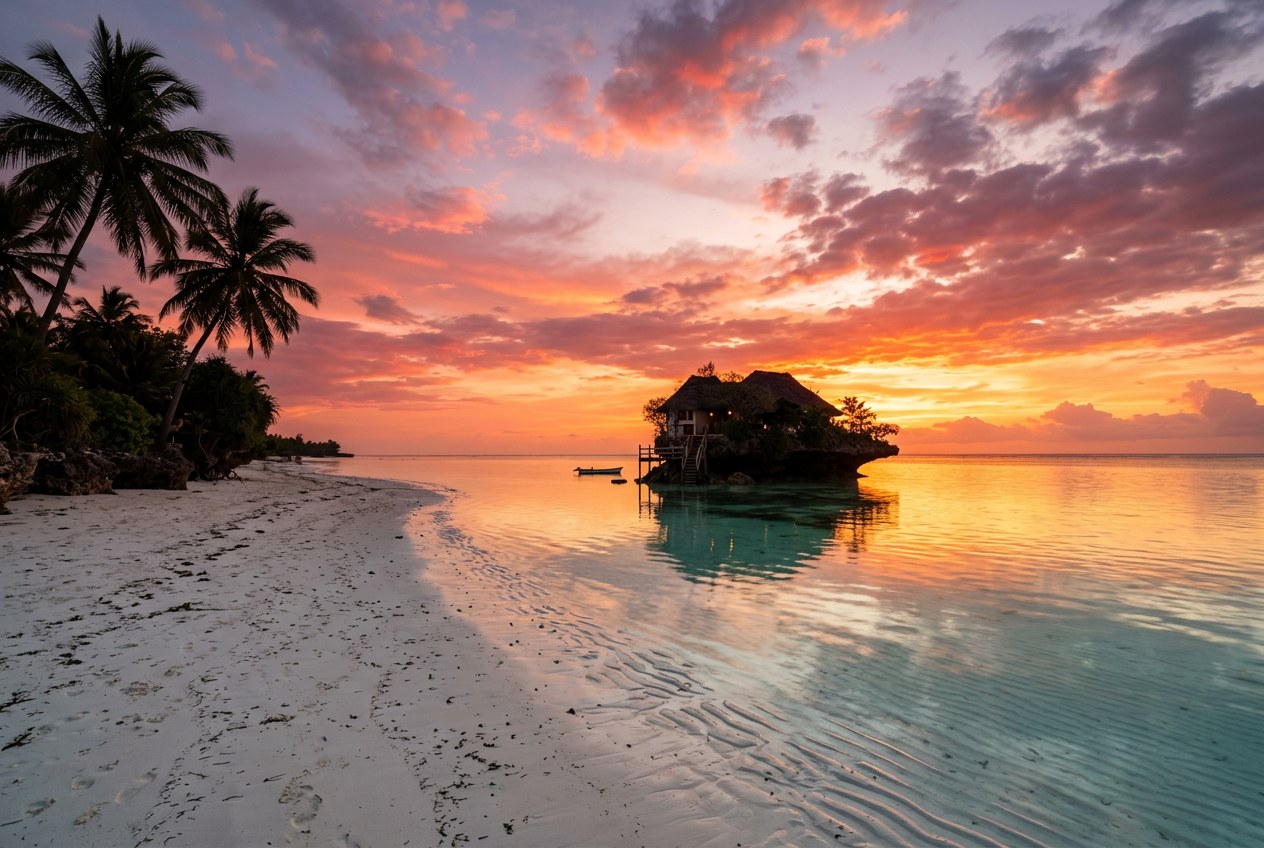
From $280/night
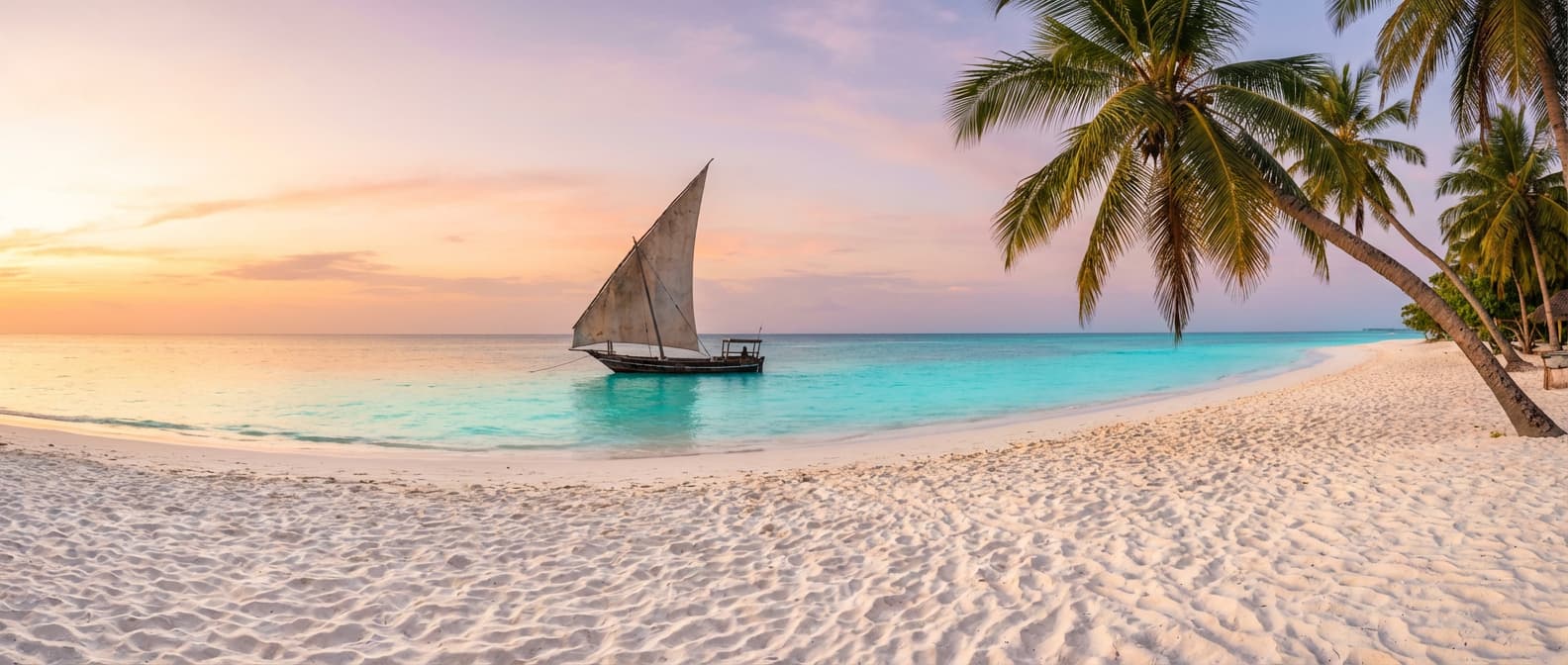
From $220/night
From $240/night